4-Toluenesulfonyl chloride → 4-Chloro-7-(p-toluenesulfonyl)-7H-pyrrolo[2,3-d]pyrimidine
Reaction equation

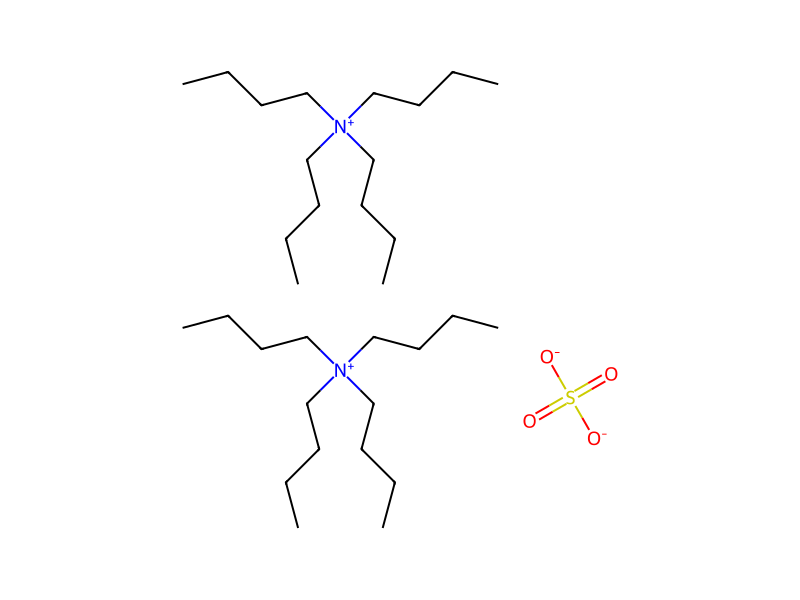
[Cl:1][C:2]1[C:3]2[CH:10]=[CH:9][NH:8][C:4]=2[N:5]=[CH:6][N:7]=1.[C:11]1([CH3:21])[CH:16]=[CH:15][C:14]([S:17](Cl)(=[O:19])=[O:18])=[CH:13][CH:12]=1.[OH-].[Na+]>C1(C)C=CC=CC=1.O.S([O-])([O-])(=O)=O.C([N+](CCCC)(CCCC)CCCC)CCC.C([N+](CCCC)(CCCC)CCCC)CCC>[Cl:1][C:2]1[C:3]2[CH:10]=[CH:9][N:8]([S:17]([C:14]3[CH:15]=[CH:16][C:11]([CH3:21])=[CH:12][CH:13]=3)(=[O:19])=[O:18])[C:4]=2[N:5]=[CH:6][N:7]=1Participants
Reactant 3



Product 1

Reagents, catalysts & solvents 3


Procedure
A solution of 4-chloro-7H-pyrrolo[2,3-d]pyrimidine (Reference: Gerster, John F.; Hinshaw, Barbara C.; Robins, Roland K.; Townsend, Leroy B. Study of electrophylic substitution in the pyrrolo[2,3-d]pyrimidine ring. J. Heterocycl. Chem. (1969), -(2), 207-213) (20 g) and para-toluene sulfonylchloride (28.6 g) in toluene (1L) was treated with a solution of sodium hydroxide (50 g) in water (800 mL), and tetrabutyl ammonium sulfate (462 mg). The solution was stirred vigorously at room temperature for 2 hours and partitioned between ethyl acetate and brine. The organic phase was separated, then dried over magnesium sulfate and then evaporated under reduced pressure. The residue was subjected to flash column chromatography on silica eluting with a gradient of ethyl acetate and cyclohexane (50:50 to 80:20, v/v) to give the title compound (2.5 g) as a solid m.p.=143° C. LCMS (Method B) RT=2.78 minutes.
Workup
- custompartitioned between ethyl acetate and brine
- customThe organic phase was separated
- dry with materialdried over magnesium sulfate
- customevaporated under reduced pressure
Sources & evidence
- ORD record
- ord-52a406e8e17844239ee41a7df242f517
- Source dataset
- uspto-grants-2007_08
- Patent number
- US07259154B2
Reaction notes
Loading…