Water → 5-(1-hydroxy-4-methyl-4-nitropentylidene)imidazolidine-2,4-dione
Reaction equation

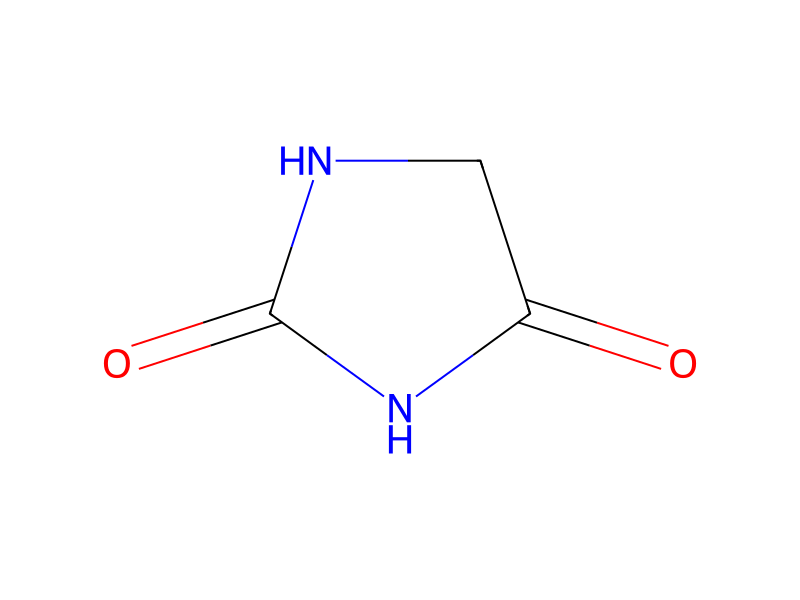
O.[NH:2]1[CH2:8][C:6](=[O:7])[NH:5][C:3]1=[O:4].C(=O)([O-])[O-].[Na+].[Na+].[CH3:15][C:16]([N+:22]([O-:24])=[O:23])([CH3:21])[CH2:17][CH2:18][CH:19]=[O:20]>C(O)(C)C>[OH:20][C:19](=[C:8]1[NH:2][C:3](=[O:4])[NH:5][C:6]1=[O:7])[CH2:18][CH2:17][C:16]([CH3:21])([N+:22]([O-:24])=[O:23])[CH3:15]Participants




Conditions
- Temperature
- 85 °C
Procedure
Water (70 ml) was added to hydantoin (20.8 g, 210 mmol) and sodium carbonate (7.2 g, 70 mmol) and the mixture was dissolved by heating to 85° C. 4-Methyl-4-nitropentanal (20.0 g, 140 mmol) was dissolved in isopropyl alcohol (130 ml) and added. The mixture was refluxed under heating for 2 h and isopropyl alcohol was evaporated under reduced pressure. Water (20 ml) and concentrated hydrochloric acid were added to adjust its pH to 8. The precipitated crystals were separated and dried to give 5-(1-hydroxy-4-methyl-4-nitropentylidene)hydantoin (27.3 g). This compound (19.4 g, 78.9 mmol) was dissolved in pyridine (60 ml) and methanesulfonyl chloride (7.9 ml, 102.6 mmol) was added under ice-cooling. The mixture was stirred at room temperature for 3 h. Water (50 ml) was added and the mixture was extracted three times with ethyl acetate (50 ml). The extract solutions were combined and washed 4 times with 1 mol hydrochloric acid (50 ml). After separation of layers, the organic layer was concentrated to dryness to give 5-(1-methanesulfonyloxy-4-methyl-4-nitropentylidene)hydantoin (20.5 g). To this compound (5.74 g, 17.8 mmol) were added tetrahydrofuran (80 ml) and 1,8-diazabicyclo[5.4.0]undec-7-ene (2.7 ml, 17.8 mmol) and the mixture was stirred at room temperature for 4 h. Tetrahydrofuran was concentrated under reduced pressure and the residue was extracted with ethyl acetate (50 ml) and 0.5 M hydrochloric acid (80 ml). After separation of layers, ethyl acetate was concentrated to dryness to give 5-(4-methyl-4-nitropentylidene)hydantoin (4.0 g, 17.6 mmol, yield 61.6%).
Workup
- dissolutionthe mixture was dissolved
- additionadded
- temperatureThe mixture was refluxed
- temperatureunder heating for 2 h
- customisopropyl alcohol was evaporated under reduced pressure
- additionWater (20 ml) and concentrated hydrochloric acid were added
- customThe precipitated crystals were separated
- customdried
Sources & evidence
- ORD record
- ord-59df34f1103840db93e2ceb965927fff
- Source dataset
- uspto-grants-2006_12
- Patent number
- US07148371B2
Reaction notes
Loading…