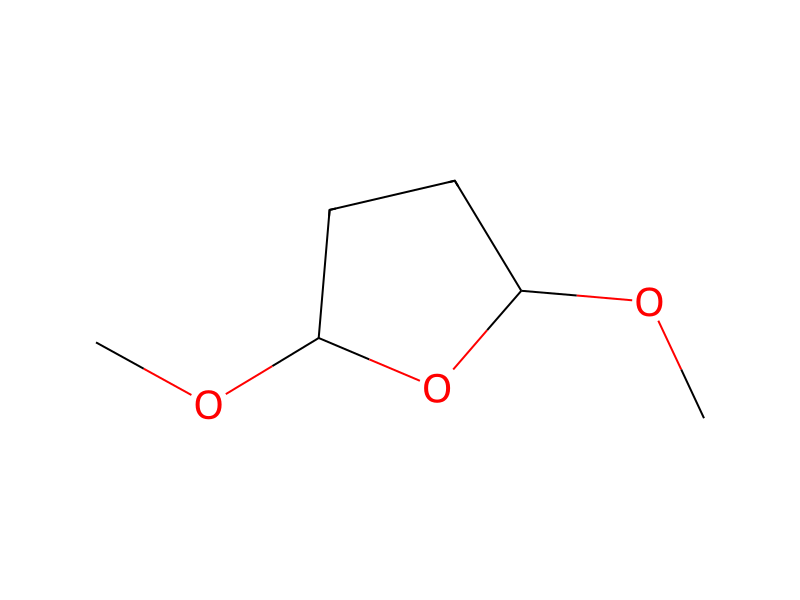
2,5-Dimethoxytetrahydrofuran → 1-Cyclohexyl-7-nitro-6-(1-pyrrolyl)-2,3(1H,4H)-quinoxalinedione
Reaction equation

[NH2:1][C:2]1[CH:3]=[C:4]2[C:9](=[CH:10][C:11]=1[N+:12]([O-:14])=[O:13])[N:8]([CH:15]1[CH2:20][CH2:19][CH2:18][CH2:17][CH2:16]1)[C:7](=[O:21])[C:6](=[O:22])[NH:5]2.CO[CH:25]1[CH2:29][CH2:28][CH:27](OC)O1>C(O)(=O)C.O>[CH:15]1([N:8]2[C:9]3[C:4](=[CH:3][C:2]([N:1]4[CH:25]=[CH:29][CH:28]=[CH:27]4)=[C:11]([N+:12]([O-:14])=[O:13])[CH:10]=3)[NH:5][C:6](=[O:22])[C:7]2=[O:21])[CH2:20][CH2:19][CH2:18][CH2:17][CH2:16]1Participants
5




Procedure
3.0 g (99 mmol) of 6-amino-1-cyclohexyl-7-nitro-2,3(1H,4H)-quinoxalinedione and 1.3 g (99 mmol) of 2,5-dimethoxytetrahydrofuran were refluxed in 70 ml of acetic acid for 30minutes. The mixture was then diluted with water, and the precipitate was filtered off with suction to yield 2.4 g (69%) of the product. Melting point 197° C.
Workup
- filtrationthe precipitate was filtered off with suction
Sources & evidence
- ORD record
- ord-dc6c0b56912347a2a473d8217c861235
- Source dataset
- uspto-grants-1998_02
- Patent number
- US05714489
Reaction notes
Loading…