Perchloric Acid → Benzenebutanoic acid, 4-cyclohexyl-
Reaction equation

[CH:1]1([C:7]2[CH:19]=[CH:18][C:10]([C:11]([CH2:13][CH2:14][C:15]([OH:17])=[O:16])=O)=[CH:9][CH:8]=2)[CH2:6][CH2:5][CH2:4][CH2:3][CH2:2]1.Cl(O)(=O)(=O)=O>[C].[Pd].C(O)(=O)C>[CH:1]1([C:7]2[CH:8]=[CH:9][C:10]([CH2:11][CH2:13][CH2:14][C:15]([OH:17])=[O:16])=[CH:18][CH:19]=2)[CH2:2][CH2:3][CH2:4][CH2:5][CH2:6]1Participants
5
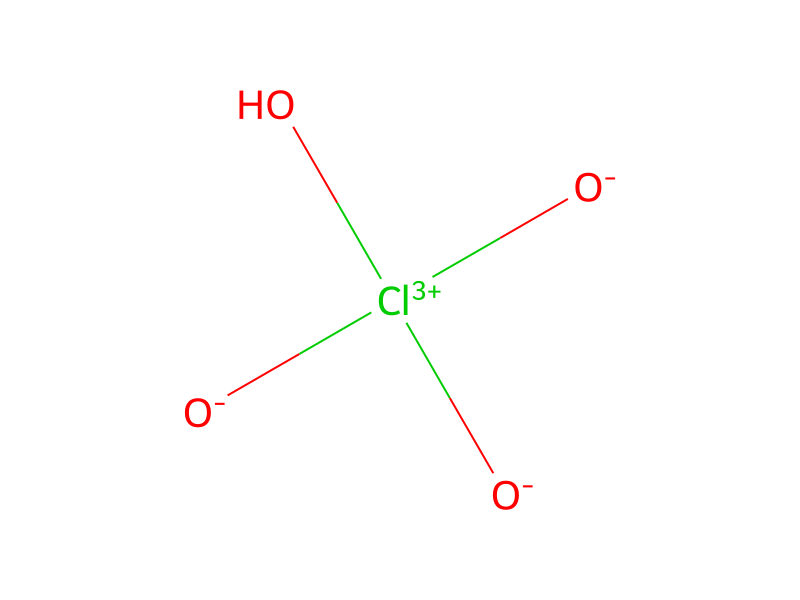




Procedure
A solution of 3-(4-cyclohexylbenzoyl)propionic acid (10.7 g), acetic acid (100 ml) and perchloric acid (2.3 ml) was hydrogenated in the presence of 5% palladium carbon (50% wet, 3.0g) at room temperature under ordinary pressure. After removal of the catalyst by filtration, the filtrate was concentrated under reduced pressure. After water (100 ml) was added, the residue was extracted with ethyl acetate. The ethyl acetate layer was washed with water and brine, and dried (MgSO4), after which the solvent was evaporated off, to yield 4-(4-cyclohexylphenyl)butyric acid (10.4 g, 100%) as an oil.
Workup
- customAfter removal of the catalyst
- filtrationby filtration
- concentrationthe filtrate was concentrated under reduced pressure
- additionAfter water (100 ml) was added
- extractionthe residue was extracted with ethyl acetate
- washThe ethyl acetate layer was washed with water and brine
- dry with materialdried (MgSO4)
- customafter which the solvent was evaporated off
Sources & evidence
- ORD record
- ord-8ad57db0acd24620ae9ed08cdc327bd0
- Source dataset
- uspto-grants-1998_02
- Patent number
- US05716944
Reaction notes
Loading…