Acetic Anhydride → 1-[4-Bromo-2-(methylsulphenylmethyl)phenyl]-3-cyclopropyl-2-ethoxymethylenepropane-1,3-dione
Reaction equation

[Br:1][C:2]1[CH:7]=[CH:6][C:5]([C:8](=[O:15])[CH2:9][C:10]([CH:12]2[CH2:14][CH2:13]2)=[O:11])=[C:4]([CH2:16][S:17][CH3:18])[CH:3]=1.[CH2:19]([O:21][CH:22](OCC)OCC)[CH3:20].C(OC(=O)C)(=O)C>>[Br:1][C:2]1[CH:7]=[CH:6][C:5]([C:8](=[O:15])[C:9](=[CH:22][O:21][CH2:19][CH3:20])[C:10]([CH:12]2[CH2:13][CH2:14]2)=[O:11])=[C:4]([CH2:16][S:17][CH3:18])[CH:3]=1Participants
4



Procedure
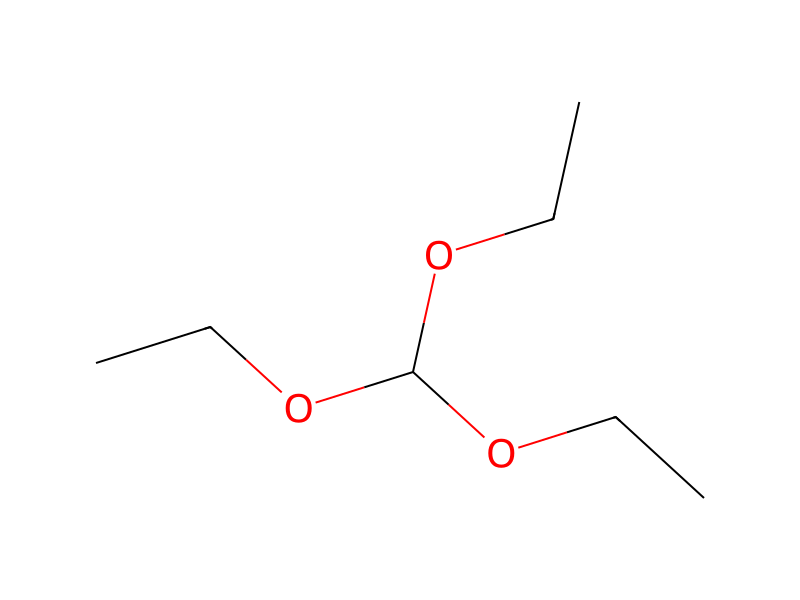
A mixture of 1-[4-bromo-2-(methylsulphenylmethyl)phenyl]-3-cyclopropylpropan-1,3-dione [4.4 g, containing approximately 1.0 g methyl 4-bromo-2-(methylsulphenylmethyl)benzoate], triethylorthoformate (3.5 ml) and acetic anhydride (2.9 ml) was heated at reflux for three hours. The mixture was then evaporated giving an impure sample of 1-[4-bromo-2-(methylsulphenylmethyl)phenyl]-3-cyclopropyl-2-ethoxymethylenepropane-1,3-dione as a red oil (4.8 g).
Workup
- temperaturewas heated
- temperatureat reflux for three hours
- customThe mixture was then evaporated
Sources & evidence
- ORD record
- ord-5e897dd1aeaf4492b099498f989ba166
- Source dataset
- uspto-grants-1998_02
- Patent number
- US05721193
Reaction notes
Loading…