Acetonitrile → HCID 70628248, compound
Reaction equation

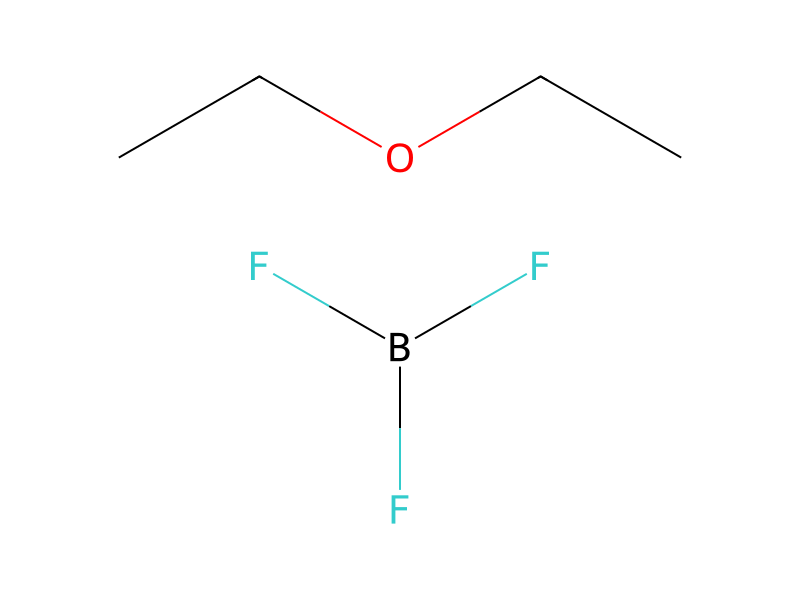
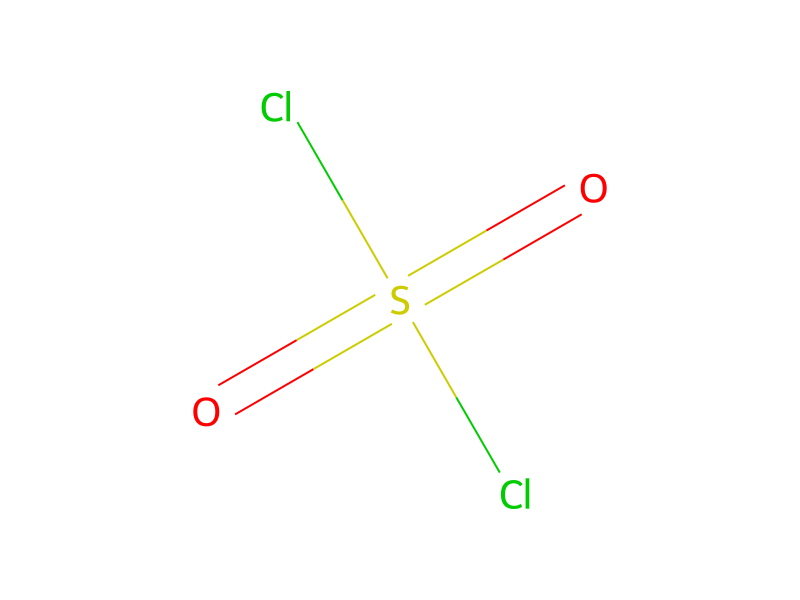
[CH2:1]1[CH2:15][C@H:14]2[C@@H:4]([CH2:5][C:6]3[C:16]4[C:9](=[CH:10][CH:11]=[CH:12][C:13]2=4)[NH:8][CH:7]=3)[NH:3][CH2:2]1.C(#N)C.B(F)(F)F.CCOCC.S(Cl)([Cl:32])(=O)=O>C(Cl)Cl.[N+](C)([O-])=O>[Cl:32][C:7]1[NH:8][C:9]2[C:16]3[C:6]=1[CH2:5][C@@H:4]1[C@@H:14]([C:13]=3[CH:12]=[CH:11][CH:10]=2)[CH2:15][CH2:1][CH2:2][NH:3]1Participants
Reactant 4


Product 1

Reagents, catalysts & solvents 2


Procedure
The above chlorination step is carried out by suspending or dissolving an ergoline according to Formula I wherein X is H in an inert solvent, as for example acetonitrile, nitromethane, methylene dichloride, etc. Ordinarily the suspension or solution is cooled to a temperature in the range -10° to 10° C. An excess (2--3 fold) of boron trifluoride etherate is then added, upon which addition the suspended ergoline, if not already in solution, dissolves. An excess (10 percent usually) of sulfuryl chloride in an inert solvent such as methylene dichloride is next added in dropwise fashion. The reaction mixture is stirred under cooling for about 15 minutes and the reaction is then quenched by dilution with an aqueous base such as 10 percent aqueous ammonium hydroxide. The 2-chloroergoline thus produced is then extracted into a water-immiscible organic solvent and the organic layer separated. The separated organic solution is then washed with, for example, a saturated aqueous sodium chloride solution or otherwise purified, separated again, and then dried. Evaporation of the solvent yields, as a residue, a 2-chloroegoline according to Formula I above (wherein X is chloro) formed in the above reaction. The 2-chloroergoline can be further purified by chromatography or crystallization. Yields of the chlorinated compound vary from 40 to 75 percent with a majority of runs giving in excess of 70 percent of the desired compound.
Workup
- customis cooled to a temperature in the range -10° to 10° C
- dissolutionif not already in solution, dissolves
- temperatureunder cooling for about 15 minutes
- customthe reaction is then quenched by dilution with an aqueous base such as 10 percent aqueous ammonium hydroxide
Sources & evidence
- ORD record
- ord-ca21107980dc415c9e477c4a1c8d5b20
- Source dataset
- uspto-grants-1978_07
- Patent number
- US04098790
Reaction notes
Loading…