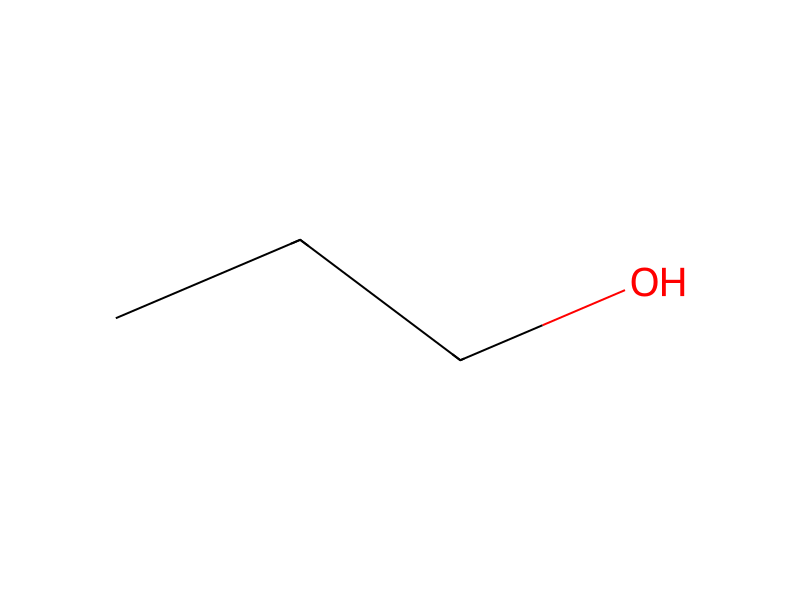
1-Propanol → Benzene, 1,1'-(1-methylethylidene)bis[4-(2-propen-1-yloxy)-
Reaction equation

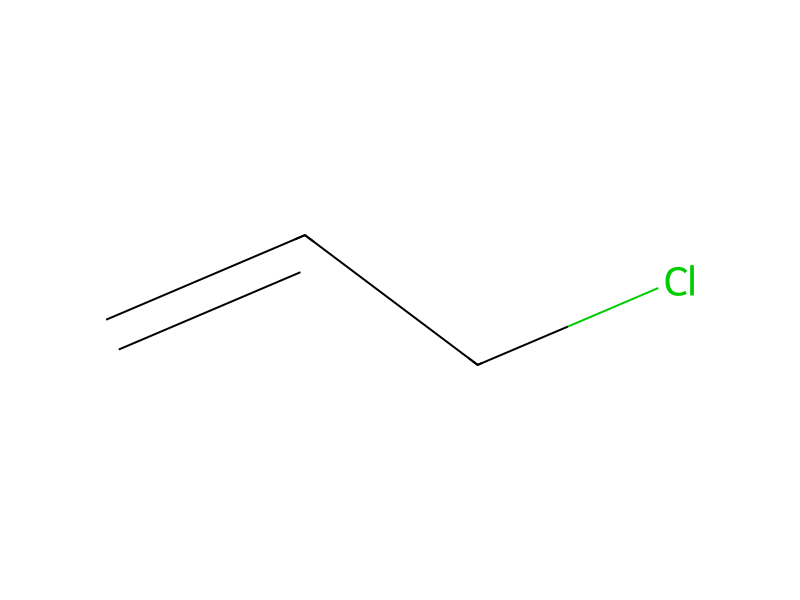
[OH:1][C:2]1[CH:7]=[CH:6][C:5]([C:8]([C:11]2[CH:16]=[CH:15][C:14]([OH:17])=[CH:13][CH:12]=2)([CH3:10])[CH3:9])=[CH:4][CH:3]=1.[OH-].[Na+].[CH2:20](Cl)[CH:21]=[CH2:22].[CH2:24](O)[CH2:25][CH3:26]>>[CH3:9][C:8]([C:11]1[CH:12]=[CH:13][C:14]([O:17][CH2:26][CH:25]=[CH2:24])=[CH:15][CH:16]=1)([C:5]1[CH:4]=[CH:3][C:2]([O:1][CH2:20][CH:21]=[CH2:22])=[CH:7][CH:6]=1)[CH3:10]Participants
5



Procedure
Bisphenol A (228 g), NaOH (82.5 g) and n-propanol (1 liter) are heated under reflux. After everything has gone into solution, 200 ml of allyl chloride are added slowly. After three hours, the mixture is virtually neutral. It is stirred for a further three hours, whilst boiling under reflux. After cooling to room temperature, the NaCl which has precipitated is filtered off and the n-propanol is distilled off. The crude diallyl ether of bisphenol A (308 g) which is thus obtained is taken up in methylene chloride and washed with water. After separating off the aqueous phase, the methylene chloride is distilled off again. The resulting pure diallyl ether of bisphenol A is dried over sodium sulphate.
Workup
- temperatureunder reflux
- additionare added slowly
- temperatureunder reflux
- customthe NaCl which has precipitated
- filtrationis filtered off
- distillationthe n-propanol is distilled off
Sources & evidence
- ORD record
- ord-deede02d003048f4a7fe88271740302c
- Source dataset
- uspto-grants-1978_07
- Patent number
- US04100140
Reaction notes
Loading…