1-Octanol → 1-Chlorooctane
Reaction equation

P(Cl)(Cl)[Cl:2].[CH2:5](O)[CH2:6][CH2:7][CH2:8][CH2:9][CH2:10][CH2:11][CH3:12]>>[CH2:5]([Cl:2])[CH2:6][CH2:7][CH2:8][CH2:9][CH2:10][CH2:11][CH3:12]Participants
3

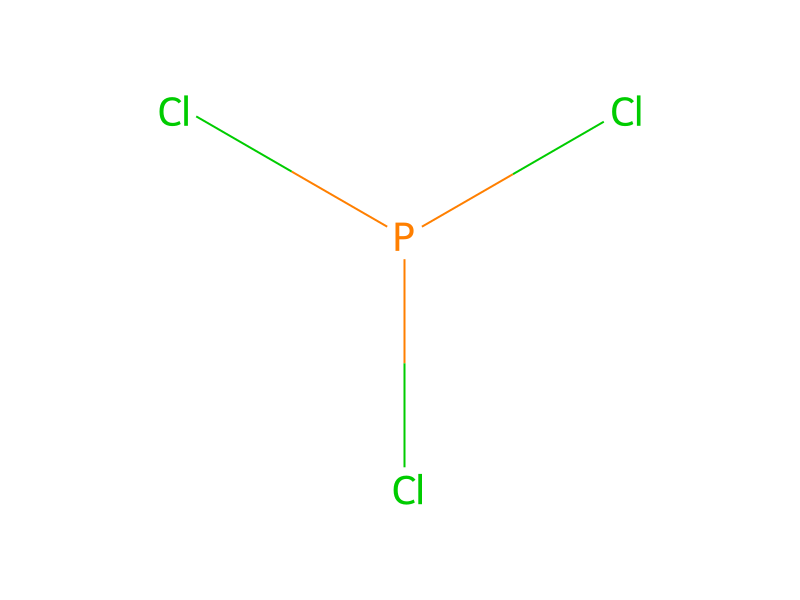

Procedure
Into a reactor system in accordance with Example 1 there were pumped octyl alcohol and phosphorus trichloride in a molar ratio of 2.90 : 1. The pressure in the flow line was 30 atm. The residence time in reaction zone 1 was 3 minutes; in the preheater, 2 minutes; and, in reaction zone 2, 28 minutes. The temperature at the outlet of reaction zone 1 was 100° C. Following preheating to 150° C, an average temperature of 150° to 155° C was maintained in reaction zone 2. One obtained in the organic phase 96% octyl chloride in a yield of 98% with respect to octyl alcohol. The product contained 0.19% dioctyl ether. Space-time yield: 1.4 kg/hour, liter.
Workup
- customInto a reactor system in accordance with Example 1 there were pumped
- customThe residence time in reaction zone 1
- customin the preheater, 2 minutes
- customand, in reaction zone 2, 28 minutes
- customThe temperature at the outlet of reaction zone 1
- customwas 100° C
- customFollowing preheating to 150° C
- temperaturean average temperature of 150° to 155° C was maintained in reaction zone 2
Sources & evidence
- ORD record
- ord-fe981ff826894b54a7f8c866bc67ba67
- Source dataset
- uspto-grants-1978_07
- Patent number
- US04100210
Reaction notes
Loading…