Sodium Carbonate → 2-[N-(cyclopropyl-methyl)-N-(2,6-dichloro-phenyl)-amino]-2-imidazoline
Reaction equation

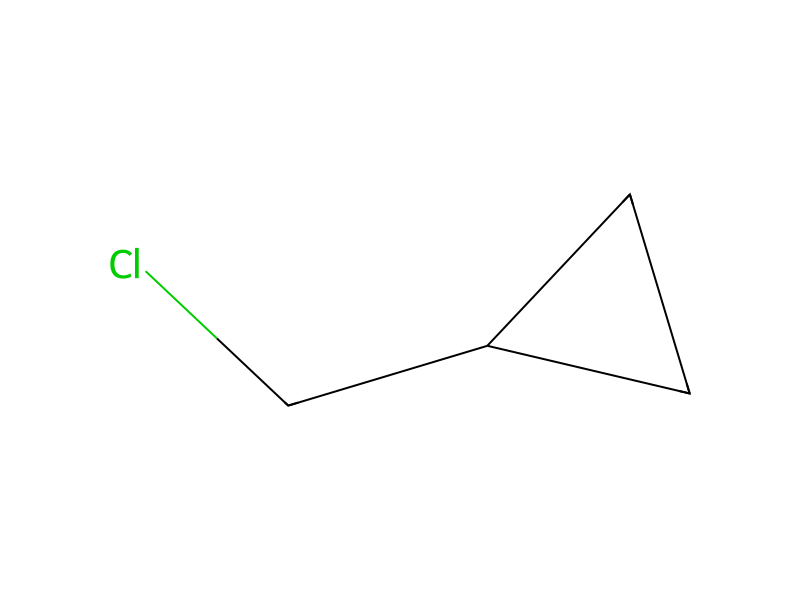
[Cl:1][C:2]1[CH:7]=[CH:6][CH:5]=[C:4]([Cl:8])[C:3]=1[N:9]=[C:10]1[NH:14][CH2:13][CH2:12][NH:11]1.Cl[CH2:16][CH:17]1[CH2:19][CH2:18]1.C(=O)([O-])[O-].[Na+].[Na+]>C1(C)C=CC=CC=1>[CH:17]1([CH2:16][N:9]([C:10]2[NH:14][CH2:13][CH2:12][N:11]=2)[C:3]2[C:4]([Cl:8])=[CH:5][CH:6]=[CH:7][C:2]=2[Cl:1])[CH2:19][CH2:18]1Participants




Procedure
A mixture consisting of 6.9 gm (0.03 mol) of 2-(2,6-dichlorophenyl-imino)-imidazolidine, 2.9 gm (110% of stoichiometrically required amount) or chloromethyl-cyclopropane, 4 gm of sodium carbonate and 50 ml of absolute toluene was refluxed for 32 hours, while stirring. Thereafter, the reaction solution was evaporated to dryness in vacuo, and the residue was dissolved in about 1N hydrochloric acid. The resulting acidic solution was extracted several times with ether, and the ethereal extracts were discarded. The acidic aqueous phase was then fractionally extrated with ether at stepwisely increasing pH-values (alkalization with dilute sodium hydroxide), and the thin-layer chromatographically pure fractions were combined, dried over magnesium sulfate and evaporated in vacuo, yielding as the residue 0.9 gm (10.6% of theory) of the compound of the formula ##STR7## which had a melting point of 126°-129° C.
Workup
- temperaturewas refluxed for 32 hours
- customThereafter, the reaction solution was evaporated to dryness in vacuo
- dissolutionthe residue was dissolved in about 1N hydrochloric acid
- extractionThe resulting acidic solution was extracted several times with ether
- dry with materialdried over magnesium sulfate
- customevaporated in vacuo
Sources & evidence
- ORD record
- ord-cabc52577d804c58adbb828bfc8707c3
- Source dataset
- uspto-grants-1978_07
- Patent number
- US04100292
Reaction notes
Loading…