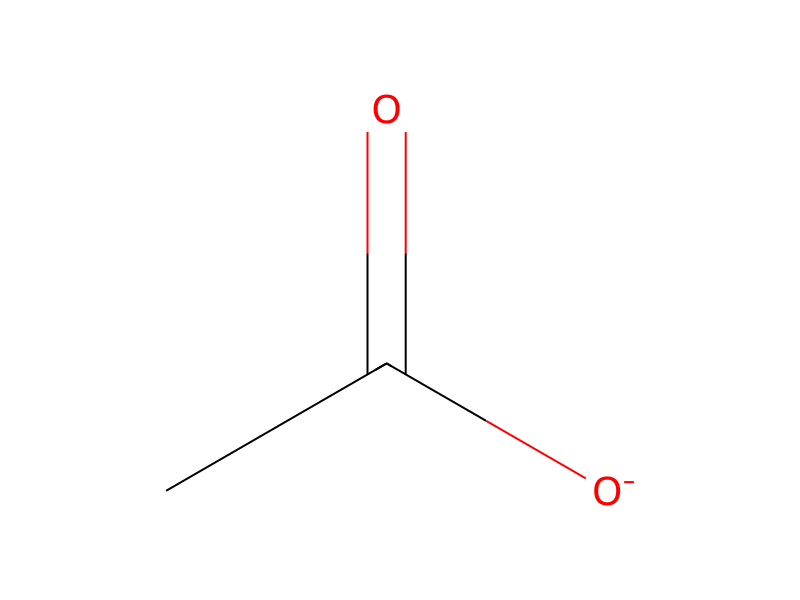
Acetate → HCID 86735853, compound
Reaction equation

[C:1]([C:5]1[CH:10]=[CH:9][C:8]([SH:11])=[CH:7][CH:6]=1)([CH3:4])([CH3:3])[CH3:2].[C:12]1([OH:18])C=[CH:16][CH:15]=[CH:14][CH:13]=1.[OH-].[K+].C([O-])(=O)C.[Cl:25][C:26]([O-])=[O:27].C(Cl)(Cl)=O>CCCCC.N1C=CC=CC=1.CO>[Cl:25][C:26]([O:18][CH2:12][CH2:13][CH2:14][CH:15]([S:11][C:8]1[CH:7]=[CH:6][C:5]([C:1]([CH3:4])([CH3:2])[CH3:3])=[CH:10][CH:9]=1)[CH3:16])=[O:27]Participants
10
Reactant 6





Product 1

Reagents, catalysts & solvents 3



Procedure
This compound was prepared in the same manner as the 4-phenoxy derivative described in Example XXIX except p-t-butylthiophenol was added instead of phenol to the methanolic solution of KOH before the chloro compound was added in step C. The acetate was saponified to the alcohol by the addition of excess base to the methanol after the reaction of the chloro compound and the p-t-butylthiophenol was complete. The alcohol was then converted to the chloroformate by adding a pentane solution of the alcohol and pyridine to a pentane solution of phosgene as in step D of Example XXIX. The infrared spectrum confirmed that the alcohol was converted to the chloroformate.
Workup
- additionwas added in step C
Sources & evidence
- ORD record
- ord-8b13ca1dd39545948405a4218acbc83a
- Source dataset
- uspto-grants-1978_07
- Patent number
- US04101522
Reaction notes
Loading…