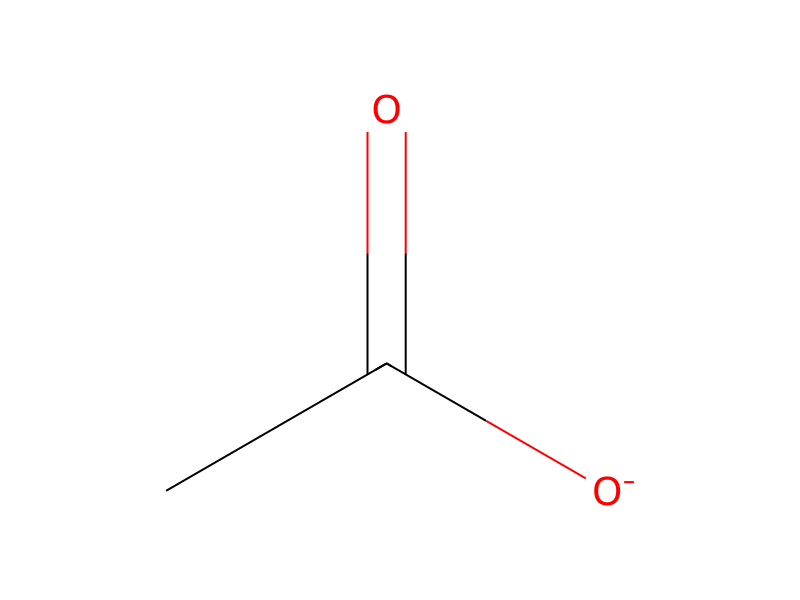
Acetate → 4-t-Butylazo-4-azidopentyl chloroformate
Reaction equation

[C:1]([O:4][CH2:5][CH2:6][CH2:7][C:8]([N:11]=[N:12][C:13]([CH3:16])([CH3:15])[CH3:14])(Cl)[CH3:9])(=[O:3])C.[N-:17]=[N+:18]=[N-:19].[Na+].C([O-])(=O)C.[OH-].[K+].[Cl:27]C([O-])=O.C(Cl)(Cl)=O>CO.CCCCC.N1C=CC=CC=1>[Cl:27][C:1]([O:4][CH2:5][CH2:6][CH2:7][C:8]([N:11]=[N:12][C:13]([CH3:16])([CH3:15])[CH3:14])([N:17]=[N+:18]=[N-:19])[CH3:9])=[O:3]Participants
10
Reactant 6





Product 1

Reagents, catalysts & solvents 3



Procedure
This compound was prepared in the same manner as the 4-thiocyano derivative described in Example XXXI except that the 4-t-butylazo-4-chloropentyl acetate was added to a slight molar excess of sodium azide in 70% aqueous methanol. The acetate was saponified by the addition of excess KOH to the reaction. The alcohol was then converted to the chloroformate by adding a pentane solution of the alcohol and pyridine to a pentane solution of phosgene. After workup the infrared spectrum confirmed that the alcohol was converted to the chloroformate.
Sources & evidence
- ORD record
- ord-64c7ec934c094f4db383a48ff7ab6cfe
- Source dataset
- uspto-grants-1978_07
- Patent number
- US04101522
Reaction notes
Loading…