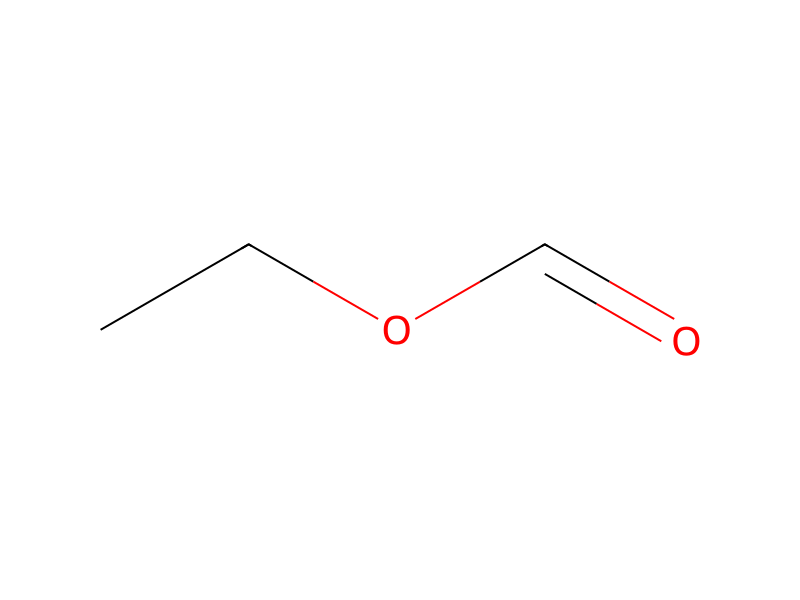
Ethyl formate → HCID 20317098, compound
Reaction equation

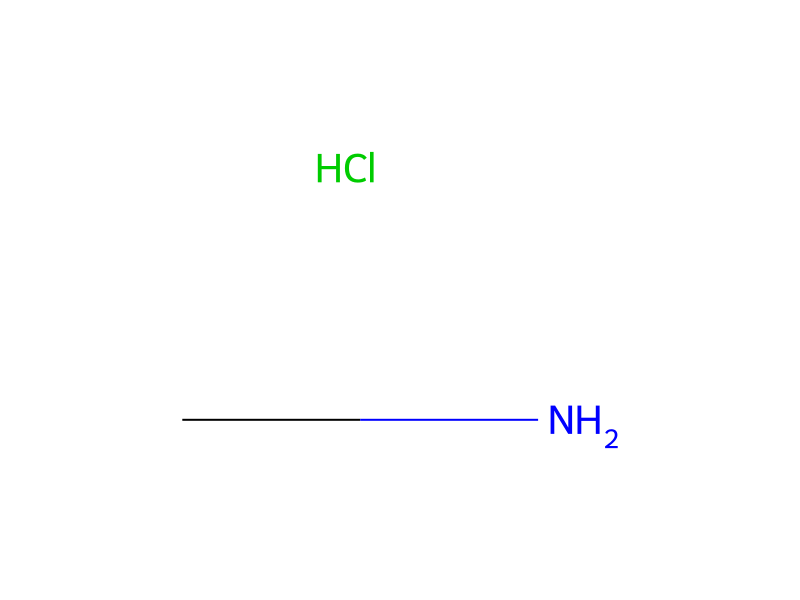
ClC1C=C(CC(=O)CC2C=CC=C(Cl)C=2)C=CC=1.C(OCC)=O.Cl.CN.[Cl:27][C:28]1[CH:29]=[C:30]([C:34]2[C:39](=[O:40])[C:38]([C:41]3[CH:46]=[CH:45][CH:44]=[C:43]([Cl:47])[CH:42]=3)=[CH:37][N:36]([CH3:48])[CH:35]=2)[CH:31]=[CH:32][CH:33]=1.N1C=CC=CC1=O>>[Cl:47][C:43]1[CH:42]=[C:41]([CH:38]2[C:39](=[O:40])[CH:34]([C:30]3[CH:31]=[CH:32][CH:33]=[C:28]([Cl:27])[CH:29]=3)[CH2:35][N:36]([CH3:48])[CH2:37]2)[CH:46]=[CH:45][CH:44]=1Participants
6



Procedure
A 10 g. portion of 1,3-bis(3-chlorophenyl)-2-propanone was reacted with ethyl formate and methylamine hydrochloride to produce 7 g. of 3,5-bis(3-chlorophenyl)-1-methyl-4(1H)-pyridinone. A 6.4 g. portion of the pyridinone was reduced with 2 g. of lithium aluminum hydride and the products were separated by chromatography as described in the examples above. The yields were about 0.8 g. of Example 11, and 1.5 g. of Example 12. Example 11, m.p. 140°.
Workup
- customto produce 7 g
- customof lithium aluminum hydride and the products were separated by chromatography
Sources & evidence
- ORD record
- ord-dc72f9d9d0ed4efd9f5464d083f5ee6b
- Source dataset
- uspto-grants-1978_07
- Patent number
- US04102669
Reaction notes
Loading…