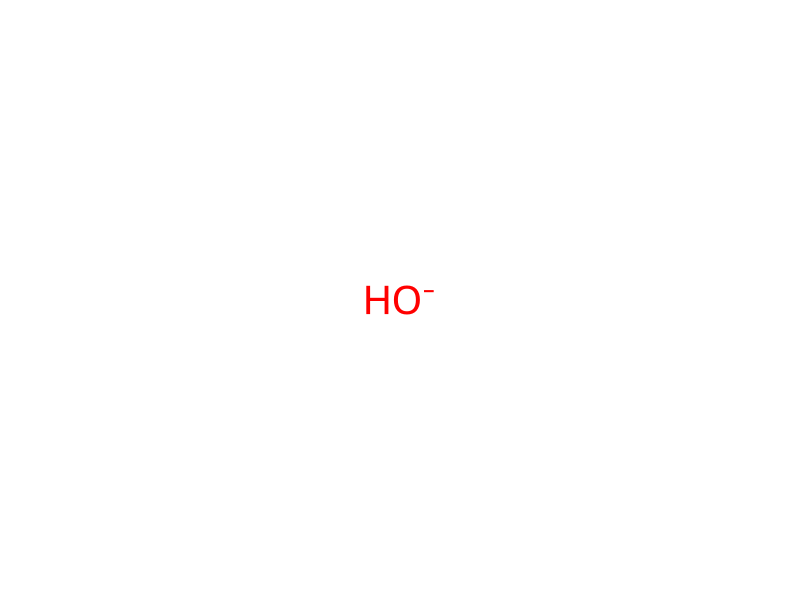
Hydroxide → HCID 13882133, compound
Reaction equation

[Br:1][C:2]1[CH:3]=[C:4]([N:8]2[C:12]([C:13]#[N:14])=[C:11]([C:15]([O:17]CC)=[O:16])[CH:10]=[N:9]2)[CH:5]=[CH:6][CH:7]=1.[OH-:20]>C(O)C>[Br:1][C:2]1[CH:3]=[C:4]([N:8]2[C:12]([C:13]([NH2:14])=[O:20])=[C:11]([C:15]([OH:17])=[O:16])[CH:10]=[N:9]2)[CH:5]=[CH:6][CH:7]=1Participants
4
Reactant 2

Product 1

Reagents, catalysts & solvents 1

Procedure
A 14 g. portion of ethyl 1-(3-bromophenyl)-5-cyano-4-pyrazolecarboxylate was hydrolyzed by stirring under reflux in 200 ml. of ethanol with 6 g. ofpotassium hydroxide for 2 hours. The mixture was then poured over ice, acidified and filtered, and the solids were crystallized from ethanol/water and dried at 168° to obtain 10 g. of the desired product, m.p. 215°-217° dec. The product was identified by NMR analysis in CDCl3 /DMSOd6. δ7.06 (s, 1), carboxamide; 7.30-7.64 (m, 4), aromatic; 8.08 (s, 1), pyrazole; 9.10 (s, 1), carboxamide.
Workup
- temperatureunder reflux in 200 ml
- additionThe mixture was then poured over ice
- filtrationfiltered
- customthe solids were crystallized from ethanol/water
- customdried at 168°
- customto obtain 10 g
Sources & evidence
- ORD record
- ord-2e1224490ec44c9194dbd7858ff306ac
- Source dataset
- uspto-grants-1988_10
- Patent number
- US04775409
Reaction notes
Loading…