Acetone → Benzene, 1,3-dimethoxy-2-(1-methylethyl)-
Reaction equation

[CH3:1][O:2][C:3]1[CH:8]=[CH:7][CH:6]=[C:5]([O:9][CH3:10])[CH:4]=1.[CH2:11]([Li])[CH2:12][CH2:13]C.CC(C)=O>C1COCC1>[CH3:1][O:2][C:3]1[CH:8]=[CH:7][CH:6]=[C:5]([O:9][CH3:10])[C:4]=1[CH:12]([CH3:13])[CH3:11]Participants
Reactant 3

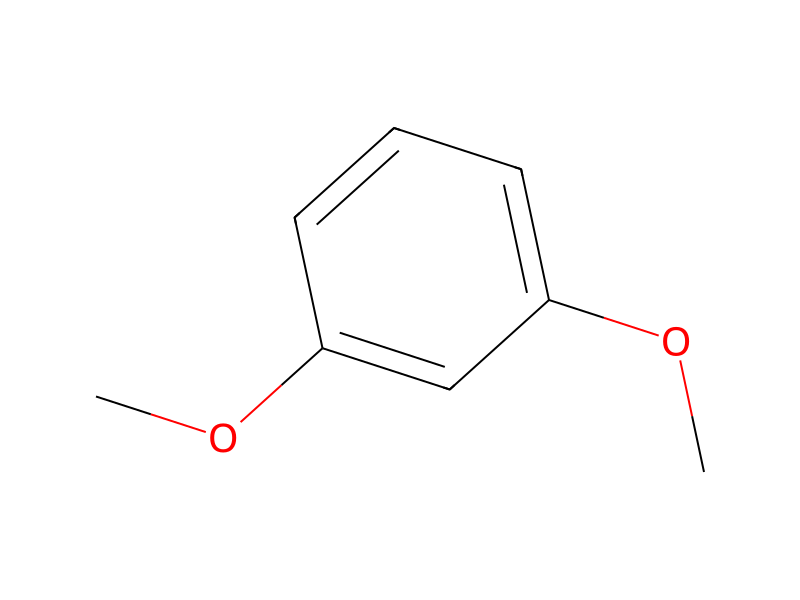

Product 1

Reagents, catalysts & solvents 1

Conditions
- Temperature
- 0 °C
Procedure
Under a nitrogen atmosphere, 1,3-dimethoxybenzene (33 ml) was dissolved in THF (1l). The solution was cooled in an ice bath then n-butyl lithium (200 ml) was added in a dropwise fashion in over a 45 minute period. The resultant mixture was stirred for 2 hours at a temperature of 10° C. The solution was then cooled to 0° C. and acetone (21 ml) was added in a dropwise fashion. Solution was stirred at room temperature overnight. The reaction mixture was partitioned between ethyl acetate and water. The ethyl acetate layer was dried over sodium sulfate and the solvent removed. The residue was dissolved in a mixture of ethyl acetate (50 ml) and sulfuric acid (1 ml). The acidic mixture was subjected to a positive hydrogen pressure (30 psi) over a catalytic amount of 5% palladium-on-carbon in a Parr shaker at room temperature for 30 minutes. The solution was filtered and water added. The organic layer was purified by HPLC (eluted with a gradient of 0 to 5% hexane in ethyl acetate) to yield 6.3 g of 1,3-dimethoxy-2-(iso-propyl)benzene. This latter substituted benzene product was refluxed for 3 days in a mixture of 48% hydrobromic acid in water and acetic acid (300 ml to 500 ml). Ether and brine were added to the reaction mixture. The ether layer was washed with brine, dried over magnesium sulfate, filtered, and evaporated to dryness. The residue was chromatographed by HPLC (column eluted with a gradient of 5 to 15% ethyl acetate in hexane). The chromatography yielded 1.82 g of the title product.
Workup
- temperatureThe solution was cooled in an ice bath
- customThe reaction mixture was partitioned between ethyl acetate and water
- dry with materialThe ethyl acetate layer was dried over sodium sulfate
- customthe solvent removed
- dissolutionThe residue was dissolved in a mixture of ethyl acetate (50 ml) and sulfuric acid (1 ml)
- waitThe acidic mixture was subjected to a positive hydrogen pressure (30 psi) over a catalytic amount of 5% palladium-on-carbon in a Parr shaker at room temperature for 30 minutes
- filtrationThe solution was filtered
- additionwater added
- customThe organic layer was purified by HPLC (
- washeluted with a gradient of 0 to 5% hexane in ethyl acetate)
Sources & evidence
- ORD record
- ord-da53cbaa62cb44b7bc97058a46c33cf3
- Source dataset
- uspto-grants-1988_10
- Patent number
- US04777299
Reaction notes
Loading…