Formaldehyde → 3,7-Dibenzyl-3,7-diazabicyclo[3.3.1]nonan-9-one
Reaction equation

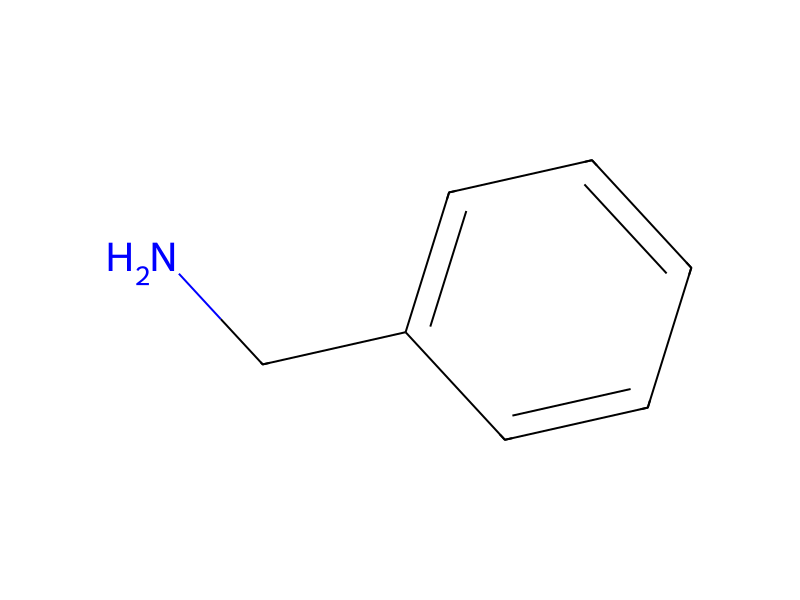
[CH2:1]([N:8]1[CH2:13]CC(=O)CC1)[C:2]1[CH:7]=[CH:6][CH:5]=[CH:4][CH:3]=1.[Se]1[CH2:20][CH2:19][C:18](=[O:21])[CH2:17][CH2:16]1.[CH2:22]([NH2:29])[C:23]1[CH:28]=[CH:27][CH:26]=[CH:25][CH:24]=1.[CH2:30]=O>CO.C(O)(=O)C>[CH2:22]([N:29]1[CH2:30][CH:19]2[C:18](=[O:21])[CH:17]([CH2:13][N:8]([CH2:1][C:2]3[CH:3]=[CH:4][CH:5]=[CH:6][CH:7]=3)[CH2:20]2)[CH2:16]1)[C:23]1[CH:28]=[CH:27][CH:26]=[CH:25][CH:24]=1Participants





Procedure
Reaction scheme C using 1-benzyl-4-piperidone (25) in a manner closely analogous to the previous reactions scheme A which used 4-selenanone as a reactant. As illustrated, the aryl amine (again benzylamine) and paraformaldehyde react in the presence of glacial acetic acid and methanol to produce the N,N'-dibenzyl-3,7-diazabicyclo[3.3.1]nonan-9-one (26). This diazabicyclo[3.3.1]nonan-9-one (26) is then converted to one of three derivatives by one of three separate reaction pathways. Using perchloric acid in benzene and 3Å molecular sieve with methanol, the hydroperchlorate amine salt of the 9,9-dimethoxy derivative (27) is produced. The use of perchloric acid in an aqueous media produces the hydraperchlorate amine salt of the 9,9-dihydroxy derivative (28). And, in a manner analogous to the reaction scheme A, a sequential reduction using hydrazine hydrate in triethylene glycol and potassium hydroxide followed by perchloric acid in benzene produces the hydroperchlorate tertiary amine salt of the reduced form of the diazabicyclo[3.3.1]nonane (29). ##STR16##
Workup
- customReaction scheme C
Sources & evidence
- ORD record
- ord-1880eff8e80049a5bf382d4b3ae452d6
- Source dataset
- uspto-grants-1988_10
- Patent number
- US04778892
Reaction notes
Loading…