Sodium Carbonate → Efavirenz
Reaction equation

[C:1]([O-:4])([O-])=[O:2].[Na+].[Na+].S(O[C@:12]([C:22]1[CH:27]=[C:26]([Cl:28])[CH:25]=[CH:24][C:23]=1[NH2:29])([C:17]#[C:18][CH:19]1[CH2:21][CH2:20]1)[C:13]([F:16])([F:15])[F:14])(=O)(=O)C.CS([O-])(=O)=O.[H][H].O=C(Cl)OC(Cl)(Cl)Cl>>[CH2:20]1[CH:19]([C:18]#[C:17][C@:12]2([C:13]([F:15])([F:14])[F:16])[O:4][C:1](=[O:2])[NH:29][C:23]3[CH:24]=[CH:25][C:26]([Cl:28])=[CH:27][C:22]2=3)[CH2:21]1Participants

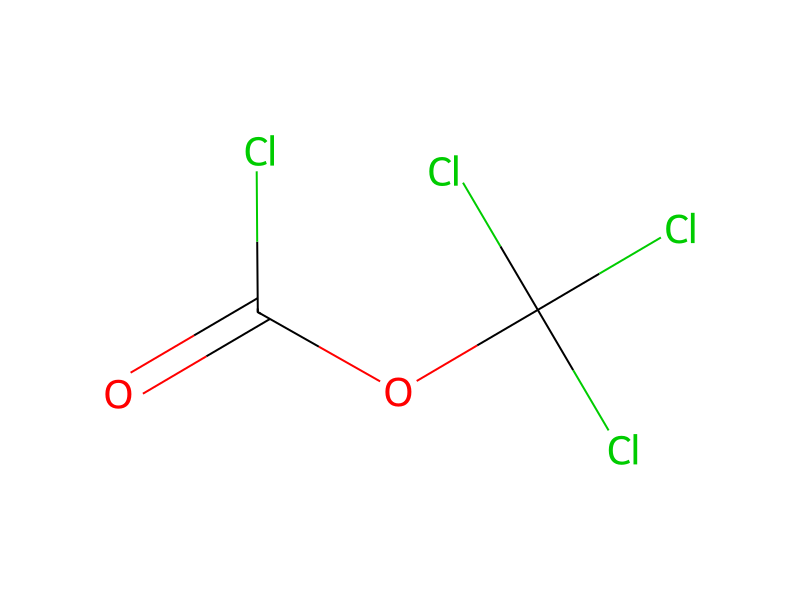
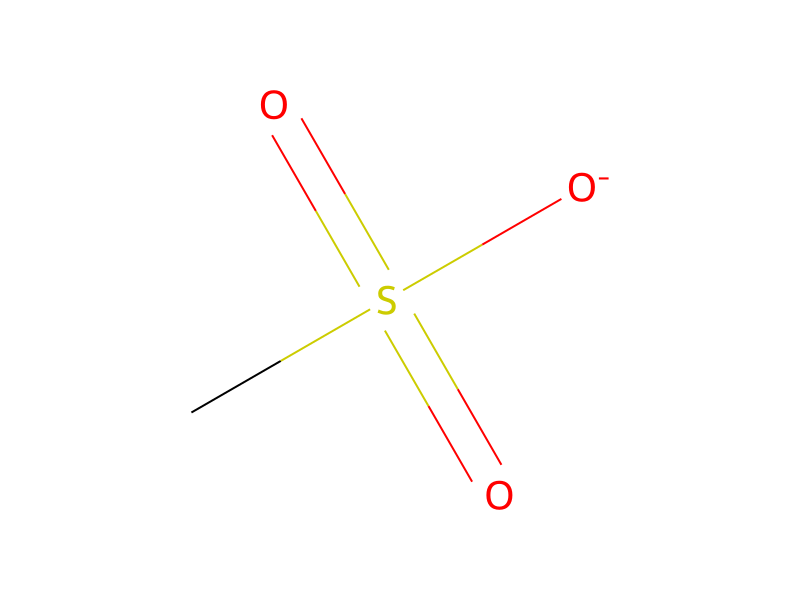



Conditions
- Temperature
- 15 °C
Procedure
Aqueous Na2CO3 (12%-w/w, 183 g, 0.206 mol) was charged to SD573-MSA ((S)-2-(2-amino-5-chlorophenyl)-4-cyclopropyl-1,1,1-trifluorobut-3-yn-2-ol mesylate (2:3 mol/mol)=methanesulfonate of the S-enantiomer of the compound of formula II, wherein R1 is trifluoromethyl, R2 is 2-cyclopropyl-ethynyl, R8 is 5-chloro, R9 is hydrogen and R10 is hydrogen; 100 g, 0.23 mol, corresponding to 66.8 g of SD573 free base, 99.6% ee, prepared accordingly to Example 1) in ethyl acetate/heptanes (203 g, 1.5:1 v/v). The mixture was stirred for 5 min at 15° C. Hydrolysis of the mesylate ended at about pH 9.0 of the aqueous phase. Then a phase separation was performed and the aqueous phase was removed. Aqueous Na2CO3 (12%-w/w, 232 g, 0.262 mol) was charged to the organic phase. To the biphasic mixture, liquid diphosgene (24 g, 120 mmol) was added in 90 min at 12° C. After a conversion of more than 99.7% was reached, according to Method C, heptanes (204 g) were charged. The reaction mixture was then heated to 20° C., the aqueous phase was separated and discarded, while the organic phase was washed with water (about 80 g). The organic layer was heated under reduced pressure, ethyl acetate distilled off and heptanes were charged to the reaction mixture to achieve a residual ethyl acetate content of 5.5%-w/w and a ratio of heptanes to organic matter of 10 L/kg in view of originally added SD573-MSA. Then the mixture was heated to dissolve all organic matter. The solution was seeded with 0.8 g of DMP-266 (DMP-266=S-enantiomer of the compound of formula I, wherein R1 is trifluoromethyl, R2 is 2-cyclopropyl-ethynyl, R8 is 6-chloro, R9 is hydrogen and R10 is hydrogen) at 55° C. and stirred for about 15 min at 55° C. The mixture was then cooled to 50° C. and hold for 120 min. Then the mixture was further cooled within 2 h from 50° C. to 25° C. and within another 2 h ramp to about −10° C. Finally, the mixture was stirred for about 1 h at −10° C. maximum and then filtered. The filter cake (wet product) was washed with pre-cooled heptanes (2×50 mL) at 0° C. maximum. The solid was dried in vacuo to yield 94.2% (68.4 g, 216 mmol) of DMP-266 at a purity of 99.9%-w/w according to Method D. The sample comprises 99.8%-w/w S-enantiomer, i.e. an enantiomeric excess (ee) of 99.6%.
Workup
- customThen a phase separation
- customthe aqueous phase was removed
- additionwere charged
- temperatureThe reaction mixture was then heated to 20° C.
- customthe aqueous phase was separated
- washwas washed with water (about 80 g)
- temperatureThe organic layer was heated under reduced pressure, ethyl acetate
- distillationdistilled off
- additionheptanes were charged to the reaction mixture
- temperatureThen the mixture was heated
- dissolutionto dissolve all organic matter
- stirringR8 is 6-chloro, R9 is hydrogen and R10 is hydrogen) at 55° C. and stirred for about 15 min at 55° C
- temperatureThe mixture was then cooled to 50° C.
- waithold for 120 min
- temperatureThen the mixture was further cooled within 2 h from 50° C. to 25° C. and within another 2 h
- customramp to about −10° C
- stirringFinally, the mixture was stirred for about 1 h at −10° C. maximum
- filtrationfiltered
- washThe filter cake (wet product) was washed with pre-cooled heptanes (2×50 mL) at 0° C. maximum
- customThe solid was dried in vacuo
Sources & evidence
- ORD record
- ord-d40951ca10704659a2106d5456677420
- Source dataset
- uspto-grants-2015_03
- Patent number
- US08969550B2
Reaction notes
Loading…