Alendronic Acid → 137504-90-6
Reaction equation

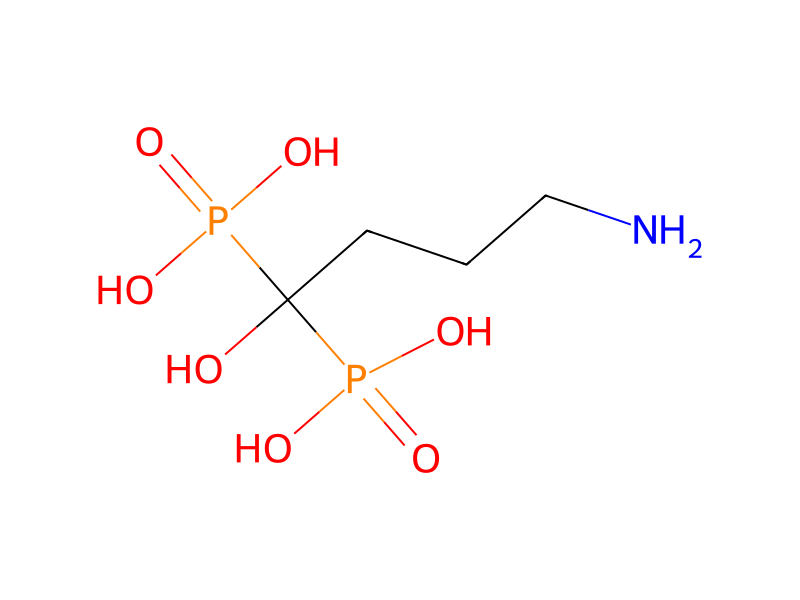
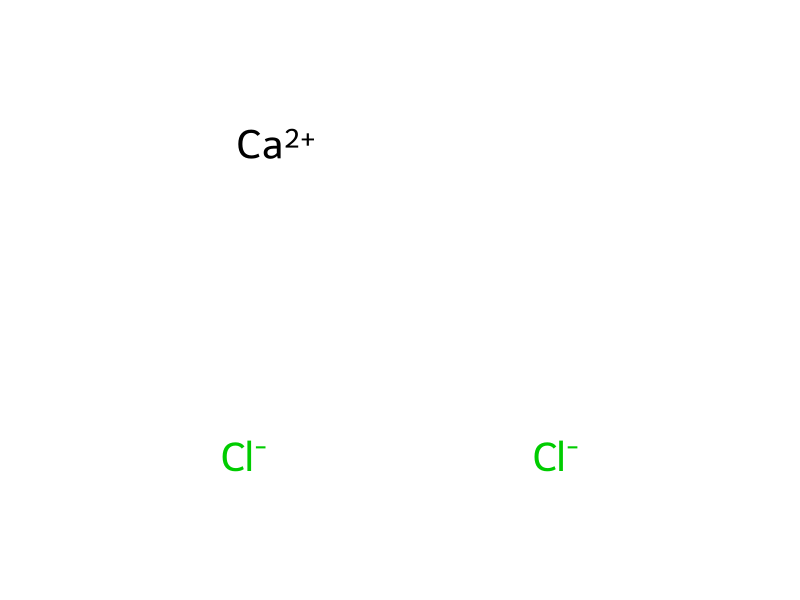
[CH2:1]([CH2:13][NH2:14])[CH2:2][C:3]([P:9]([OH:12])([OH:11])=[O:10])([P:5]([OH:8])([OH:7])=[O:6])[OH:4].[OH-].[Na+].[Cl-].[Ca+2:18].[Cl-]>>[CH2:1]([CH2:13][NH2:14])[CH2:2][C:3]([P:5]([O-:7])([OH:8])=[O:6])([P:9]([OH:12])([OH:11])=[O:10])[OH:4].[CH2:1]([CH2:13][NH2:14])[CH2:2][C:3]([P:5]([O-:7])([OH:8])=[O:6])([P:9]([OH:12])([OH:11])=[O:10])[OH:4].[Ca+2:18]Participants
4


Procedure
To the alendronate solution, sodium hydroxide and calcium chloride solutions were simultaneously added to keep the pH of the solution at 7.0 until all the calcium chloride solution had been added. The precipitate was collected by filtration and washed with water. The solid was dried in an oven at 120° C. over night to obtain 1.5 g of alendronate calcium, denoted as CakY (where Y is the Alendronate anion). The mean value of k for the generated alendronate calcium at neutral solution (the pH of human blood) was 1.5±0.1. Chemically, Ca1.5Y corresponds to Ca3Y2. The solubility of Ca1.5Y in saline, as alendronic acid, was measured as 247 mcg/mL or 0.0247%.
Workup
- additionhad been added
- filtrationThe precipitate was collected by filtration
- washwashed with water
- customThe solid was dried in an oven at 120° C. over night
Sources & evidence
- ORD record
- ord-f378ccf36d9a48fda3883c5bb8c00522
- Source dataset
- uspto-grants-2015_03
- Patent number
- US08974801B2
Reaction notes
Loading…