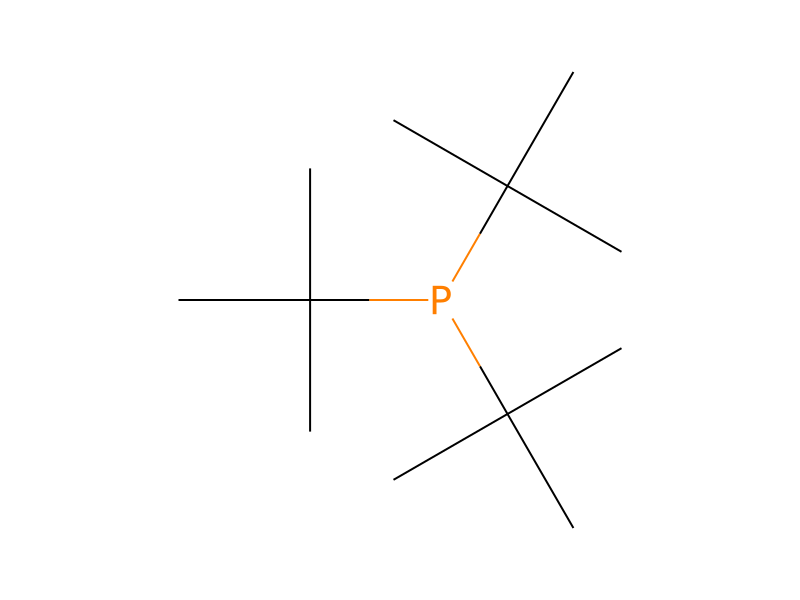
Tris(1,1-dimethylethyl)phosphine → 3-Fluorocarbazole
Reaction equation

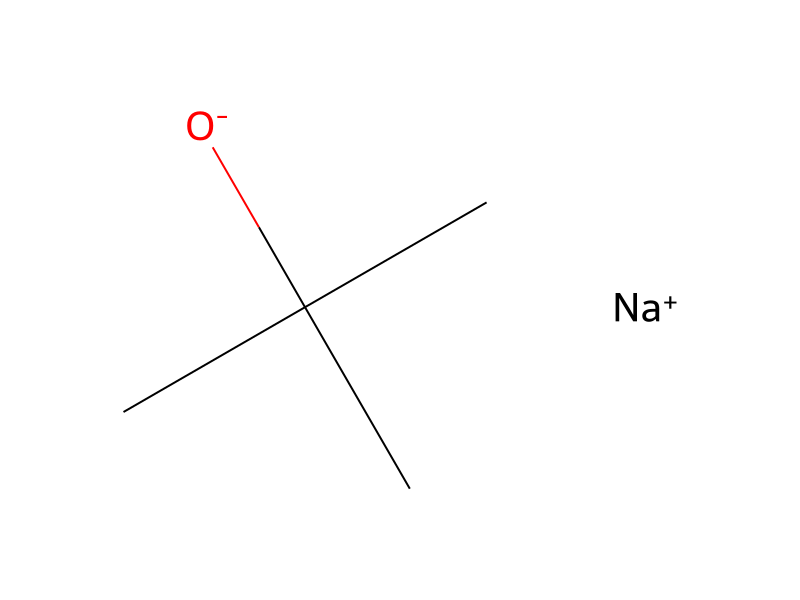
Cl[C:2]1[CH:14]=[C:13]([F:15])[CH:12]=[CH:11][C:3]=1[NH:4][C:5]1[CH:10]=[CH:9][CH:8]=[CH:7][CH:6]=1.C(P(C(C)(C)C)C(C)(C)C)(C)(C)C.CC(C)([O-])C.[Na+]>C([O-])(=O)C.[Pd+2].C([O-])(=O)C.O1CCOCC1>[F:15][C:13]1[CH:14]=[CH:2][C:3]2[NH:4][C:5]3[C:10]([C:11]=2[CH:12]=1)=[CH:9][CH:8]=[CH:7][CH:6]=3Participants
6




Procedure
A mixture of 23.4 g (106 mmole) 2-chloro-4-fluoro-N-phenylaniline, 0.27 g (5.3 mmole) of palladium(II)acetate, 2.1 g (10.6 mmole) of tri-tert-Butylphosphine, 50.8 g (530 mmole) of sodium tert-butoxide and 1,4-dioxane 150 ml were refluxed under nitrogen for about overnight. Allowed to cool and then quenched by addition of HCl (aq) (2 M, 140 ml). The organic phase was extracted with dichloromethane and water, dried with anhydrous magnesium sulfate, the solvent was removed and the residue was purified by column chromatography on silica (hexane-ethyl acetate) to give product 6.7 g (35%)
Workup
- temperaturewere refluxed under nitrogen for about overnight
- temperatureAllowed to cool
- customquenched by addition of HCl (aq) (2 M, 140 ml)
- extractionThe organic phase was extracted with dichloromethane and water
- dry with materialdried with anhydrous magnesium sulfate
- customthe solvent was removed
- customthe residue was purified by column chromatography on silica (hexane-ethyl acetate)
Sources & evidence
- ORD record
- ord-4c32eb14fb134f97b646182be9a35209
- Source dataset
- uspto-grants-2015_03
- Patent number
- US08993130B2
Reaction notes
Loading…