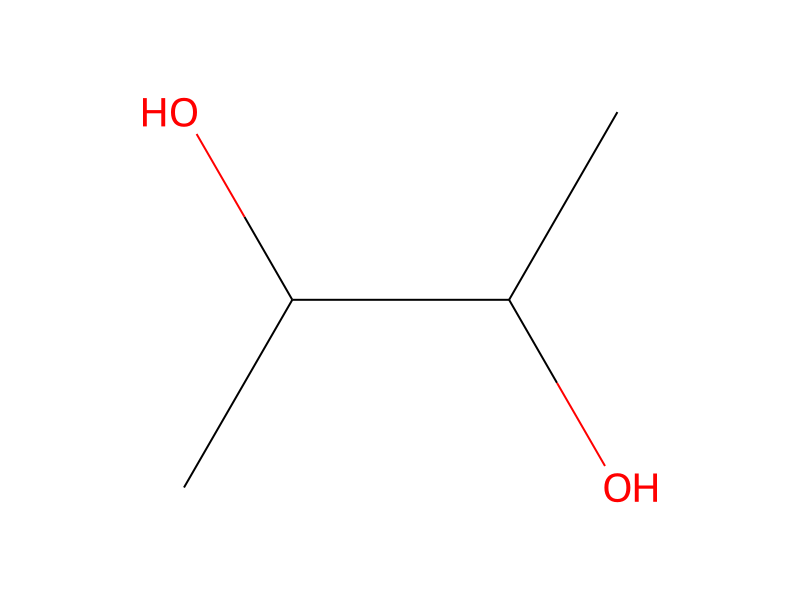
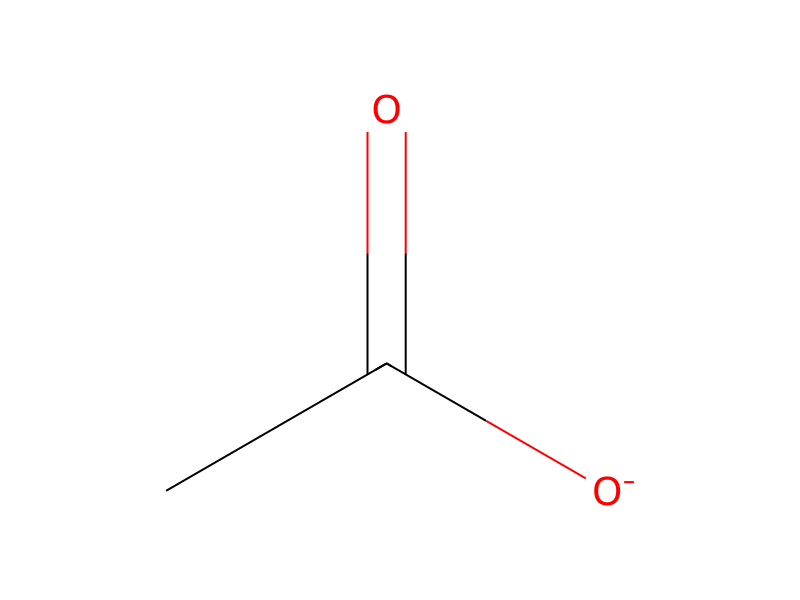
2,3-Butanediol → Acetate
Reaction equation

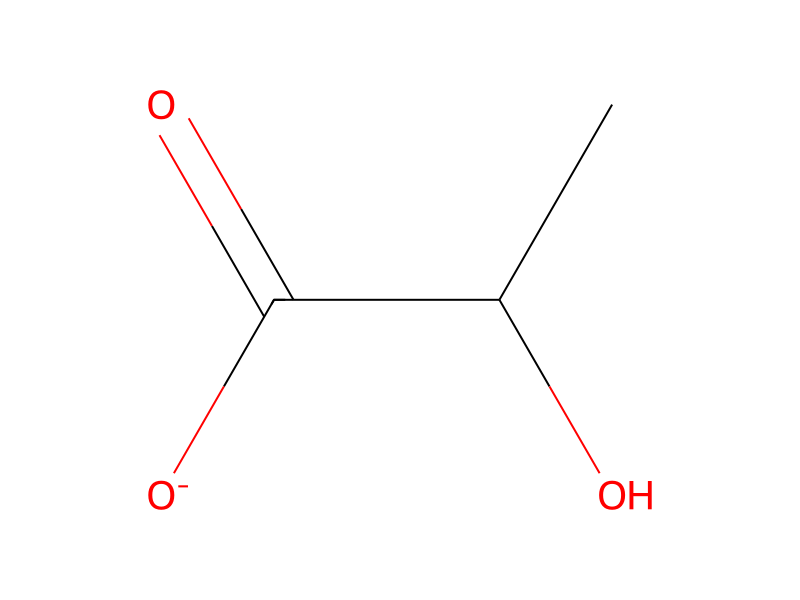
C[CH:2]([OH:6])[CH:3](O)[CH3:4].[C:7]([O-:12])(=[O:11])[CH:8](C)O.C([OH:15])C>>[C:7]([O-:12])(=[O:11])[CH3:8].[C:2]([O-:6])(=[O:15])[CH2:3][CH2:4][C:7]([O-:12])=[O:11]Participants


Procedure
The initial concentrations of substrates in the medium containing 0.5% sweetgum hemicellulose hydrolysate were determined by HPLC to be 20 mM xylose, 1.4 mM MeGAX and a small amount of MeGAX2. Previous studies indicated that MeGAX was metabolized by E. asburiae JDR-1 into methanol, glucuronate and xylose (Bi et al. 2009). In these previous studies glucuronate fermentation by E. asburiae JDR-1 generated acetate in nearly 100% yield, indicating fermentation products more reduced than acetate could only be produced from the free xylose and the xylose released from MeGAX in the hydrolysate. The theoretical maximum yield of lactate from this hydrolysate medium was 35.7 mM based on the total xylose initially present. In the fermentation of methylglucuronoxylan hydrolysate, E. asburiae JDR-1 utilized all of the MeGAX within 30 h and xylose within 40 h. Similar amounts of ethanol (15.6 mM) and acetate (20 mM) were produced but no 2,3-butanediol or lactate was detected (Table 6, FIG. 5A). When supplemented with LB, E. asburiae JDR-1 fermented the 0.5% hydrolysate more rapidly than with ZH minimal salts. Substrates were utilized within 15 h, producing 16.2 mM ethanol, 22 mM acetate, and 3.2 mM succinate, again with no 2,3-butanediol or lactate detected. (Table 6, FIG. 5C).
Sources & evidence
- ORD record
- ord-a6c328e7561a490eb5e3649f9f21f0c5
- Source dataset
- uspto-grants-2015_03
- Patent number
- US08993287B2
Reaction notes
Loading…