6-Aminoquinoline → Z-Val-Pro 6-aminoquinoline
Reaction equation

[NH:1]([C:16]([O:18][CH2:19][C:20]1[CH:25]=[CH:24][CH:23]=[CH:22][CH:21]=1)=[O:17])[C@H:2]([C:6]([N:8]1[CH2:15][CH2:14][CH2:13][C@H:9]1[C:10]([OH:12])=[O:11])=[O:7])[CH:3]([CH3:5])[CH3:4].ON1C2C=CC=CC=2N=N1.C(N=C=NC(C)C)(C)C.[NH2:45][C:46]1[CH:47]=[C:48]2[C:53](=[CH:54][CH:55]=1)[N:52]=[CH:51][CH:50]=[CH:49]2>ClCCl>[NH:1]([C:16]([O:18][CH2:19][C:20]1[CH:21]=[CH:22][CH:23]=[CH:24][CH:25]=1)=[O:17])[C@H:2]([C:6]([N:8]1[CH2:15][CH2:14][CH2:13][C@H:9]1[C:10]([OH:12])=[O:11])=[O:7])[CH:3]([CH3:5])[CH3:4].[NH2:45][C:46]1[CH:47]=[C:48]2[C:53](=[CH:54][CH:55]=1)[N:52]=[CH:51][CH:50]=[CH:49]2Participants
6
Reactant 4
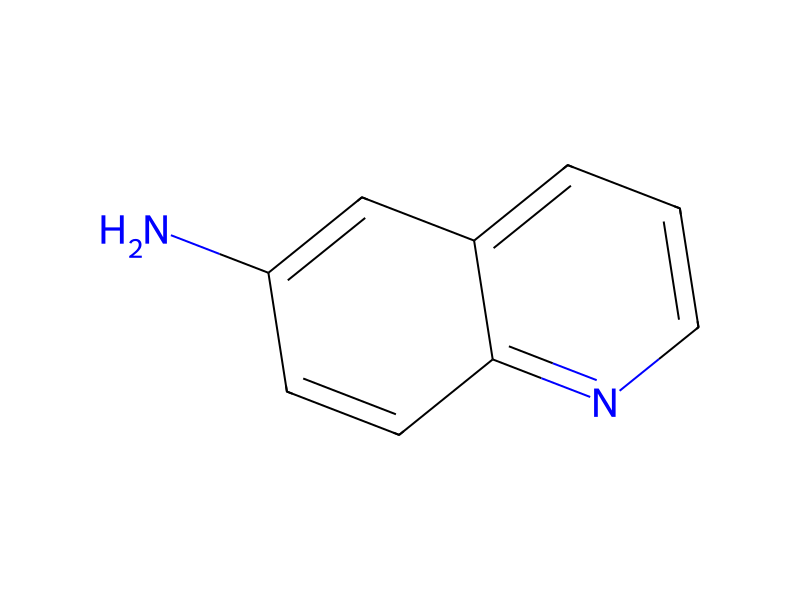



Product 1

Reagents, catalysts & solvents 1

Procedure
A solution of Z-Val-Pro-OH (217.4 mg, 0.62 mmol) in dichloromethane (1.5 mL), was successively treated at room temperature. with 1-hydroxibenzotriazol (84.3 mg, 0.62 mmol), N,N′-diisopropylcarbodiimide (97.2 μL, 0.62 mmol) and 6-aminoquinoline (75 mg, 0.52 mmol). The stirring was continued until the complete disappearance of the starting material (overnight). Then, the solvent was evaporated, the residue was dissolved in ethyl acetate and washed with citric acid (10%), NaHCO3 (10%) and brine. The organic layer was dried (Na2SO4) and evaporated leaving a residue that was purified by CCTLC on the chromatotron with hexane/ethyl acetate (1:4) to yield H (20 yield
Workup
- customwas continued until the complete disappearance of the starting material (overnight)
- customThen, the solvent was evaporated
- dissolutionthe residue was dissolved in ethyl acetate
- washwashed with citric acid (10%), NaHCO3 (10%) and brine
- dry with materialThe organic layer was dried (Na2SO4)
- customevaporated
- customleaving a residue that
- customwas purified by CCTLC on the chromatotron with hexane/ethyl acetate (1:4)
- customto yield H (20
- customyield
Sources & evidence
- ORD record
- ord-837f8df55324406d983aa5ce7878dffa
- Source dataset
- uspto-grants-2012_08
- Patent number
- US08236756B2
Reaction notes
Loading…