Lithium Hydroxide → 3-methyl-6,7-dihydro-5H-pyrrolo[2,1-c][1,2,4]triazole-7-carboxylic acid
Reaction equation

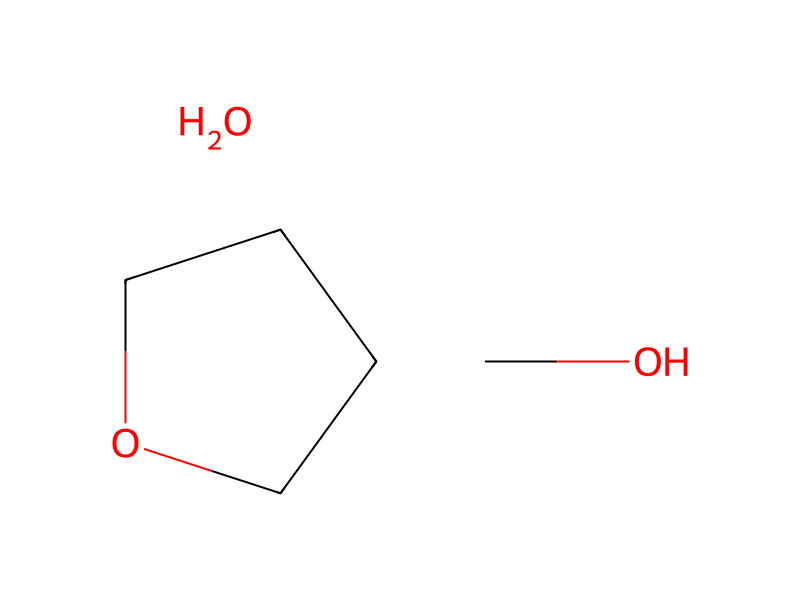
[CH2:1]([C:3]1[N:4]2[CH2:10][CH2:9][CH:8]([C:11]([OH:13])=[O:12])[C:5]2=[N:6][N:7]=1)C.[Li+].[OH-]>C1COCC1.O.CO>[CH3:1][C:3]1[N:4]2[CH2:10][CH2:9][CH:8]([C:11]([OH:13])=[O:12])[C:5]2=[N:6][N:7]=1Participants
4



Conditions
- Temperature
- 60 °C
Procedure
To a solution of ethyl 6,7-dihydro-5H-pyrrolo[2,1-c][1,2,4]-triazole-7-carboxylic acid (400 mg, 2.05 mmol) in THF/water/MeOH was added LiOH (250 mg, 10.25 mmol) and the resulting solution was heated via oil bath to 60° C. for 16 h. (Round bottom was equipped with a condenser.) The solution was cooled to room temperature and concentrated to remove organic solvents. The aqueous layer was then acidified to pH of ˜5 using 2N HCl. The mixture was concentrated to dryness under vacuum, azeotroping with toluene (2×20 mL) to make sure all water was removed. The material was used without further purification with lithium chloride as a by-product. LC-MS: m/z (ES)=168 (MH)+.
Workup
- custom(Round bottom was equipped with a condenser.) The solution
- temperaturewas cooled to room temperature
- concentrationconcentrated
- customto remove organic solvents
- concentrationThe mixture was concentrated to dryness under vacuum
- customazeotroping with toluene (2×20 mL)
- customwas removed
- customThe material was used without further purification with lithium chloride as a by-product
Sources & evidence
- ORD record
- ord-ab091ffc7c364030be8f6ba7e8457327
- Source dataset
- uspto-grants-2012_08
- Patent number
- US08247415B2
Reaction notes
Loading…