Ammonium formate → HCID 59163377, compound
Reaction equation

[F:1][C:2]1[CH:3]=[C:4]([CH:12]([C:18]([O:20][CH2:21][CH3:22])=[O:19])[C:13]([O:15][CH2:16][CH3:17])=[O:14])[CH:5]=[C:6]([F:11])[C:7]=1[N+:8]([O-])=O.C([O-])=O.[NH4+]>[Pd].C(O)C>[NH2:8][C:7]1[C:6]([F:11])=[CH:5][C:4]([CH:12]([C:18]([O:20][CH2:21][CH3:22])=[O:19])[C:13]([O:15][CH2:16][CH3:17])=[O:14])=[CH:3][C:2]=1[F:1]Participants
5
Reactant 2
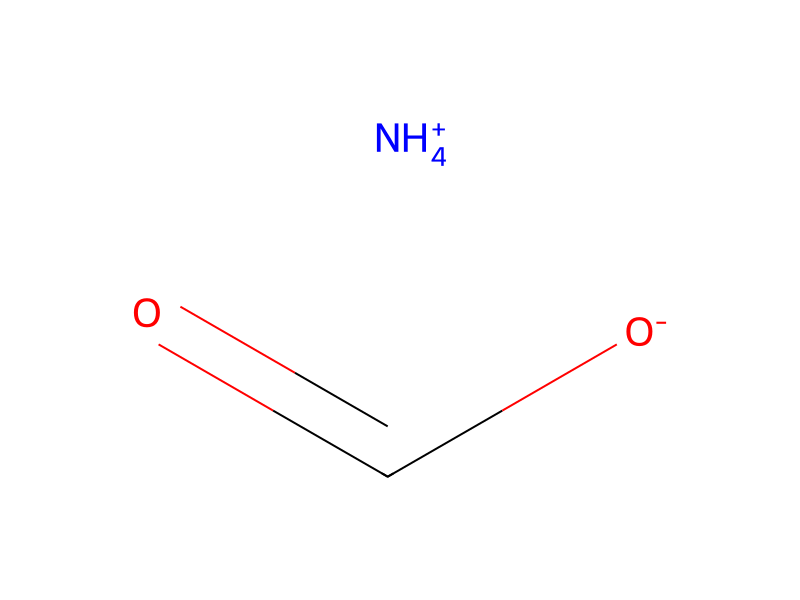

Product 1

Reagents, catalysts & solvents 2


Procedure
Diethyl (3,5-difluoro-4-nitrophenyl)propanedioate (2.08 g, 6.56 mmol) was added to ethanol (100 ml). 10% Palladium on carbon (wet paste) (0.208 g) was then added under a flow of argon. This was treated with ammonium formate (2.07 g, 32.80 mmol) and the reaction heated to reflux for 30 minutes. Once cooled to room temperature the mixture was filtered through celite and washed with ethanol. This was evaporated to a brown oily solid. Triturating in DCM removed insoluble impurities. The liquors were evaporated and then purified by chromatography eluting with 5-40% ethyl acetate in hexane. The clean fractions were evaporated to give the title compound as a pale brown oil (0.774 g, 2.70 mmol). LC/MS: Rt=2.69, [MH]+ 288.
Workup
- temperaturethe reaction heated
- temperatureto reflux for 30 minutes
- filtrationwas filtered through celite
- washwashed with ethanol
- customThis was evaporated to a brown oily solid
- customTriturating in DCM removed insoluble impurities
- customThe liquors were evaporated
- custompurified by chromatography
- washeluting with 5-40% ethyl acetate in hexane
- customThe clean fractions were evaporated
Sources & evidence
- ORD record
- ord-c80440d75f9a43279b685c776b01ba57
- Source dataset
- uspto-grants-2012_08
- Patent number
- US08252833B2
Reaction notes
Loading…