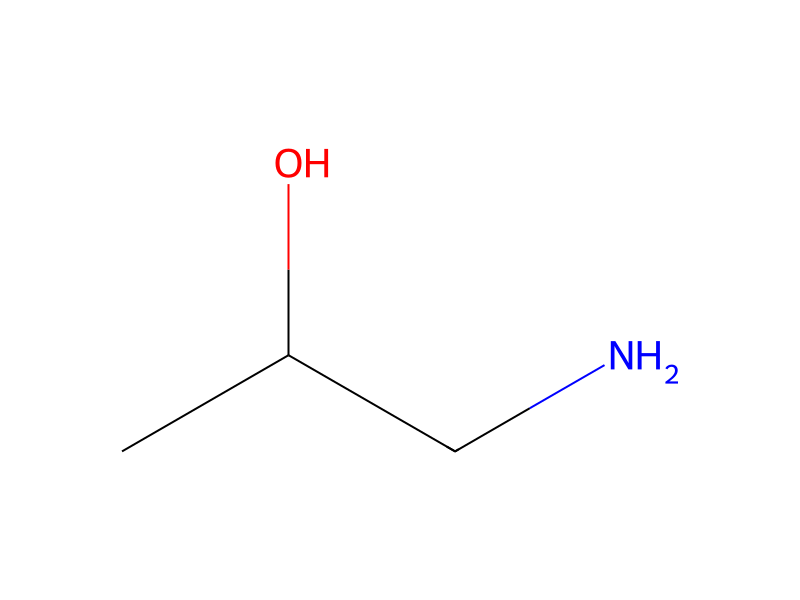
1-Amino-2-propanol → HCID 23293103, compound
Reaction equation

F[C:2]1[CH:9]=[CH:8][CH:7]=[CH:6][C:3]=1[C:4]#[N:5].NCC([OH:14])C.[C:15](#[N:22])[C:16]1C=CC=C[CH:17]=1>>[OH:14][CH2:17][CH2:16][CH2:15][NH:22][C:2]1[CH:9]=[CH:8][CH:7]=[CH:6][C:3]=1[C:4]#[N:5]Participants


Procedure
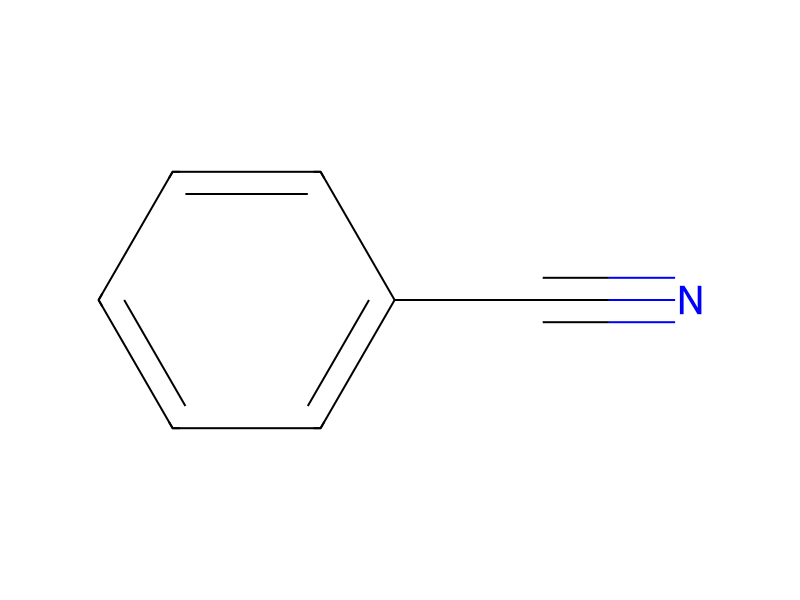
The aromatic aldehyde which is used in the methods of the present invention can be prepared by any number of reaction schemes. For instance, the aromatic aldehyde can be formed from reacting an indole with ozone in an organic solvent followed by addition of at least one reducing agent to form a formyl aromatic aldehyde. The formyl aromatic aldehyde can be reacted with a base or acid in the presence of water and/or an organic solvent to yield the starting aromatic aldehyde. Alternatively, the aromatic aldehyde can be formed by starting with a benzonitrile which is reacted with a reactant that permits the attachment of desired substituents on the benzonitrile. For instance, fluorobenzonitrile can be reacted with 1-amino-2 propanol in the presence of an organic solvent to yield the desired 2-(hydroxypropyl) aminobenzonitrile. The benzonitrile can then be reacted with a hydrogen source and a catalyst to form the desired aromatic aldehyde.
Workup
- customis reacted with a reactant that
Sources & evidence
- ORD record
- ord-e167b59dbb174b4d8202429f587d4812
- Source dataset
- uspto-grants-2006_02
- Patent number
- US06998489B2
Reaction notes
Loading…