2,3-Dichloro-5,6-dicyano-1,4-benzoquinone → 5-Hydroxy-6-methoxy-3,4-dihydronaphthalen-1(2H)-one
Reaction equation

C([O:4][C:5]1[C:14]([O:15][CH3:16])=[CH:13][CH:12]=[C:11]2[C:6]=1[CH2:7][CH2:8][CH2:9][CH2:10]2)(=O)C.C(C1C(=O)C(Cl)=C(Cl)C(=[O:22])C=1C#N)#N.C1(=O)C2C(=CC=CC=2)CCC1>O1CCOCC1.O>[OH:4][C:5]1[C:14]([O:15][CH3:16])=[CH:13][CH:12]=[C:11]2[C:6]=1[CH2:7][CH2:8][CH2:9][C:10]2=[O:22]Participants
5

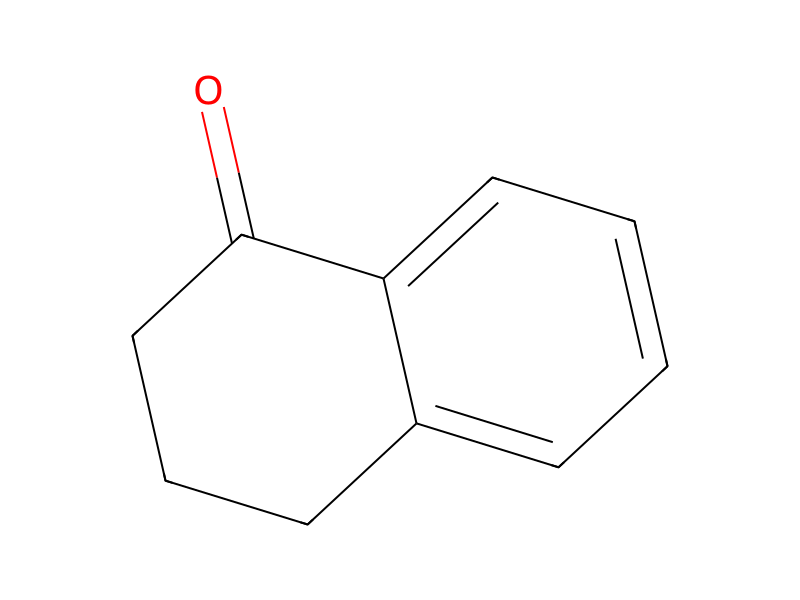


Procedure
The 5-hydroxy isomer 7 was converted to 5-acetoxy-6-methoxy-1,2,3,4-tetrahydronaphthalene (9) in 95% yield. Reaction of the 9 with DDQ in dioxane-water led to the formation of tetralone 10 as a single isomer in 96% yield. The correct position of the keto group was confirmed by single-crystal X-ray crystallography. The acetate was removed by treating tetralone 10 with sodium bicarbonate in methanol to form 5-hydroxy-6-methoxy-1-tetralone (11).
Workup
- customThe acetate was removed
- additionby treating tetralone 10 with sodium bicarbonate in methanol
Sources & evidence
- ORD record
- ord-7a6c079709344db7a039290a4e90fa34
- Source dataset
- uspto-grants-2006_02
- Patent number
- US07001926B2
Reaction notes
Loading…