Pyridine → HCID 54495913, compound
Reaction equation

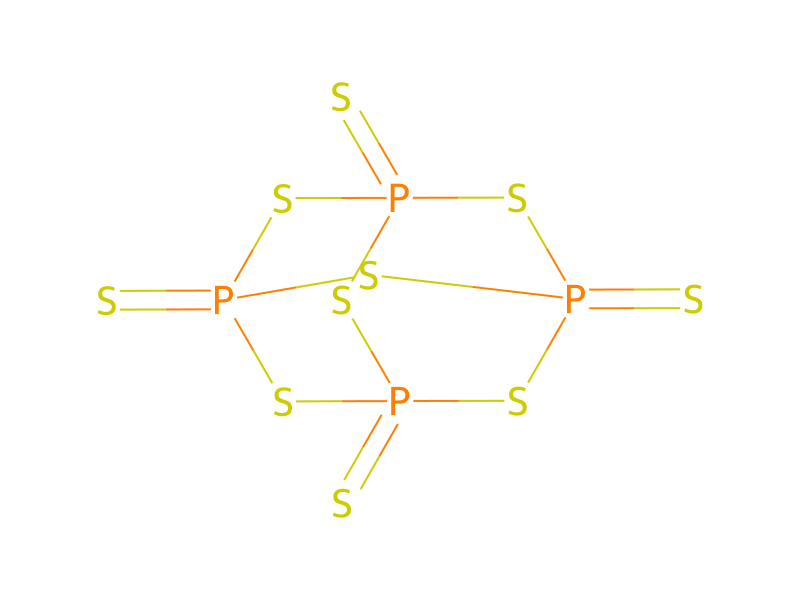
[Cl:1][C:2]1[CH:20]=[CH:19][C:5]([CH:6]=[CH:7][C:8]([NH:10][CH:11]2[CH2:18][CH2:17][CH2:16]NC(=O)[CH2:12]2)=O)=[CH:4][CH:3]=1.P12(SP3(SP(SP(S3)(S1)=S)(=S)S2)=S)=[S:22].C(=O)([O-])O.[Na+].[N:40]1[CH:45]=CC=CC=1>>[Cl:1][C:2]1[CH:3]=[CH:4][C:5]([CH:6]=[CH:7][C:8]2[S:22][C:12]3[NH:40][CH2:45][CH2:16][CH2:17][CH2:18][C:11]=3[N:10]=2)=[CH:19][CH:20]=1Participants
5




Procedure
3-(4-Chlorocinnamoyl)amino-ε-caprolactam (11.0 g) and phosphorus pentasulfide (8.37 g) were added to 500 ml of pyridine, and the whole was refluxed for 1.5 hrs. After cooling, the reaction mixture was added to a sodium hydrogen carbonate solution and extracted with chloroform. The extract was washed with water, dried and the solvent was distilled off under reduced pressure. The residue was purified by a column chromatography on silica gel, and recrystallized from cyclohexane to give the title compound as crystals, m.p. 188°-189° (yield 6.28 g, 57% of theory).
Workup
- temperaturethe whole was refluxed for 1.5 hrs
- temperatureAfter cooling
- extractionextracted with chloroform
- washThe extract was washed with water
- customdried
- distillationthe solvent was distilled off under reduced pressure
- customThe residue was purified by a column chromatography on silica gel
- customrecrystallized from cyclohexane
Sources & evidence
- ORD record
- ord-d7e7e18ceffc4a27be6787194df3d10c
- Source dataset
- uspto-grants-1992_06
- Patent number
- US05118806
Reaction notes
Loading…