Dicyclohexylcarbodiimide → HCID 19096834, compound
Reaction equation

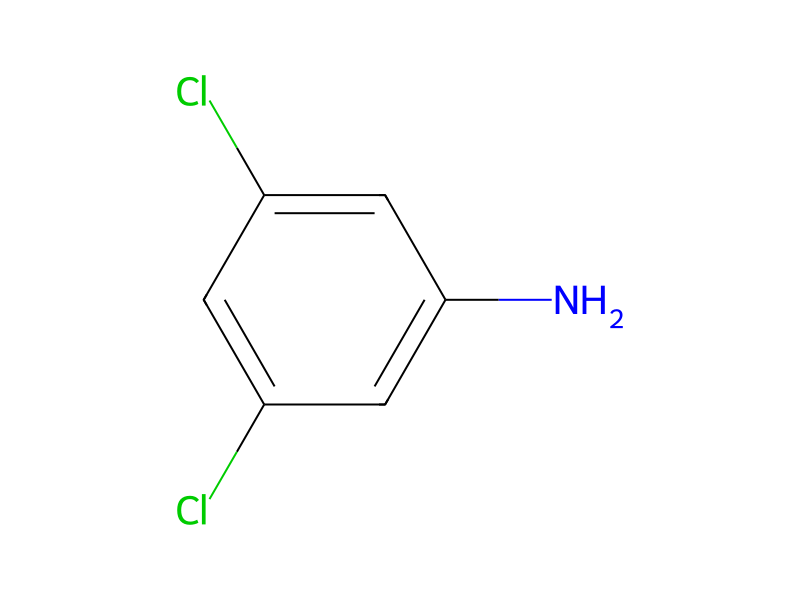
[CH2:1]([O:3][CH:4]([C:10]([O-:12])=O)[C:5]([O:7][CH2:8][CH3:9])=[O:6])[CH3:2].[Cl:13][C:14]1[CH:15]=[C:16]([CH:18]=[C:19]([Cl:21])[CH:20]=1)[NH2:17].C1(N=C=NC2CCCCC2)CCCCC1>>[Cl:13][C:14]1[CH:15]=[C:16]([NH:17][C:10](=[O:12])[CH:4]([O:3][CH2:1][CH3:2])[C:5]([O:7][CH2:8][CH3:9])=[O:6])[CH:18]=[C:19]([Cl:21])[CH:20]=1Participants
4



Procedure
Mono-ethyl ethoxymalonate (2.75 grams, 0.02 mole), prepared in Part A, 3,5-dichloroaniline (2.53 grams, 0.02 mole) and 1,3-dicyclohexylcarbodiimide (3.22 grams, 0.02 mole) were reacted in a manner similar to that described in Example LVII to give 1.92 grams (0.006 mole) of ethyl 3-[(3,5-dichlorophenyl)amino]-2-ethoxy-3-oxopropanoate having a melting point of 89.0° C.-92.5° C. An analytical sample recrystallized from ethyl acetate-hexane had a melting point of 84° C.-86° C.
Workup
- customwere reacted in a manner similar to
Sources & evidence
- ORD record
- ord-7b55a33e732a46d9af8c53f4b58d87c7
- Source dataset
- uspto-grants-1992_06
- Patent number
- US05123951
Reaction notes
Loading…