Triethylamine → HCID 54199015, compound
Reaction equation

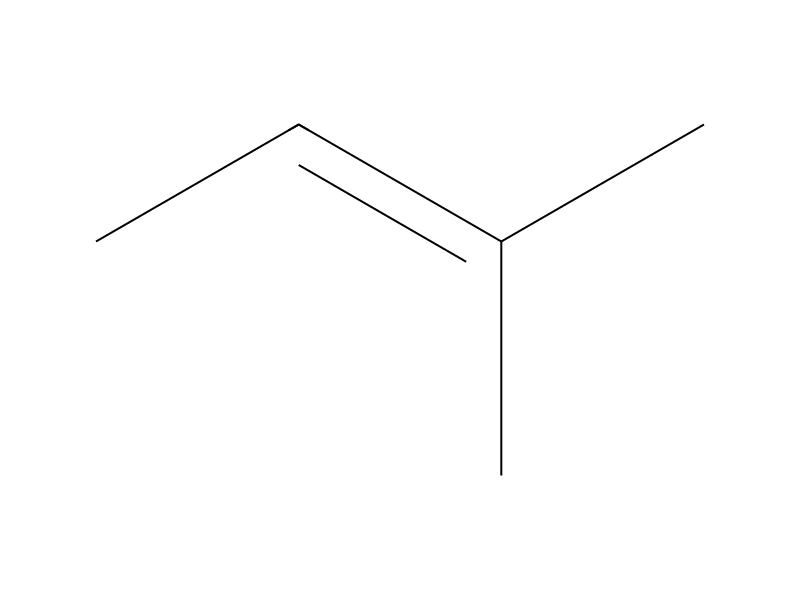
[O:1]1[CH2:5][CH2:4][O:3][CH:2]1[CH2:6][C:7]([CH3:12])([CH3:11])[CH2:8][CH2:9][OH:10].CC=C(C)C.C(N(CC)CC)C.[S:25](Cl)([CH3:28])(=[O:27])=[O:26]>C(Cl)(Cl)Cl.CCOCC>[S:25]([O:10][CH2:9][CH2:8][C:7]([CH3:12])([CH3:11])[CH2:6][CH:2]1[O:3][CH2:4][CH2:5][O:1]1)(=[O:27])(=[O:26])[CH3:28]Participants
7





Conditions
- Temperature
- 5 °C
Procedure
81.9 g of 4-(dioxolan-2-yl)-3,3-dimethylbutanol, prepared above, are dissolved in 600 ml of chloroform, stabilized with amylene, in the presence of 62 ml of triethylamine. The mixture is cooled to 5° C. and 81 ml of mesyl chloride are added dropwise. The mixture is subsequently stirred for 4 hours at 5° C. and then left overnight at this temperature, washed with cold water and evaporated at 30° C. under vacuum. The residue obtained is taken up with ether and washed with sodium bicarbonate. The ether phase is dried over magnesium sulfate and then evaporated at 30° C. under vacuum to give 93.5 g of 4-(dioxolan-2-yl)-3,3-dimethylbutanol mesylate.
Workup
- waitleft overnight at this temperature
- washwashed with cold water
- customevaporated at 30° C. under vacuum
- customThe residue obtained
- washwashed with sodium bicarbonate
- dry with materialThe ether phase is dried over magnesium sulfate
- customevaporated at 30° C. under vacuum
Sources & evidence
- ORD record
- ord-be151bfa5a3d41bd844c152af9ad7898
- Source dataset
- uspto-grants-1992_06
- Patent number
- US05124336
Reaction notes
Loading…