Vanillin → 3-Methoxy-4-(2-oxiranylmethoxy)benzaldehyde
Reaction equation
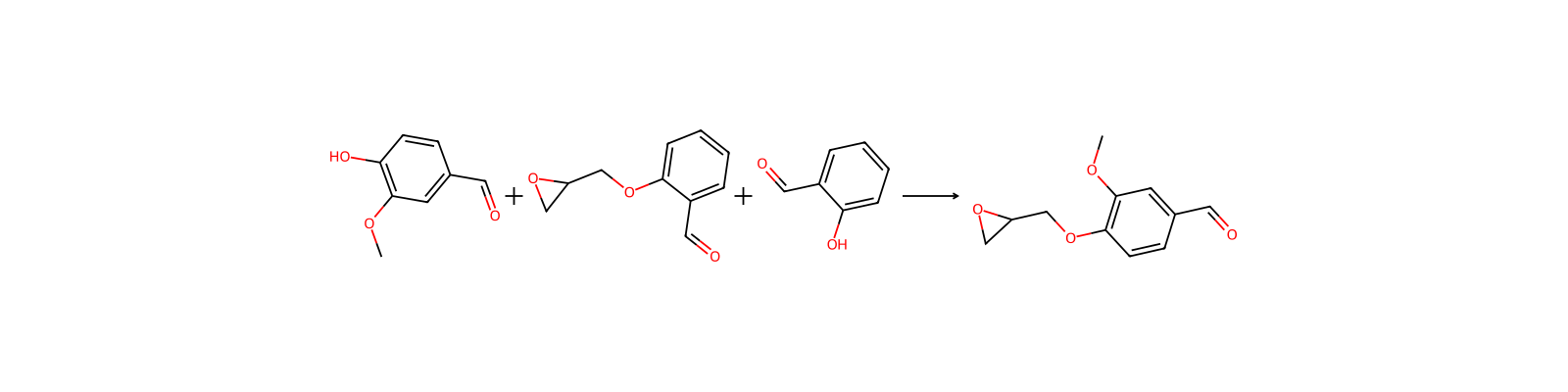
[O:1]=[CH:2][C:3]1[CH:11]=[CH:10][C:8]([OH:9])=[C:5]([O:6][CH3:7])[CH:4]=1.[CH2:12](OC1C(=CC=CC=1)C=O)[CH:13]1[O:15][CH2:14]1.C(=O)C1C(=CC=CC=1)O>>[CH2:12]([O:9][C:8]1[CH:10]=[CH:11][C:3]([CH:2]=[O:1])=[CH:4][C:5]=1[O:6][CH3:7])[CH:13]1[O:15][CH2:14]1Participants
4


Procedure
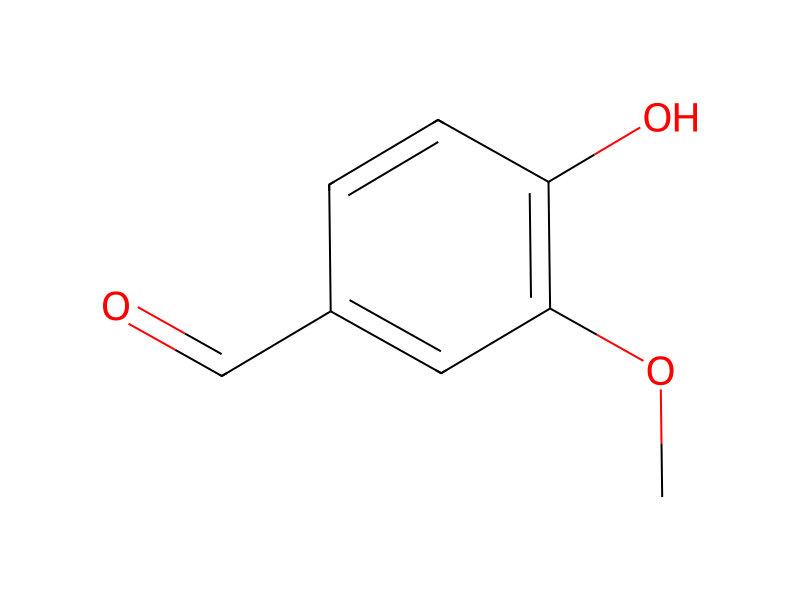
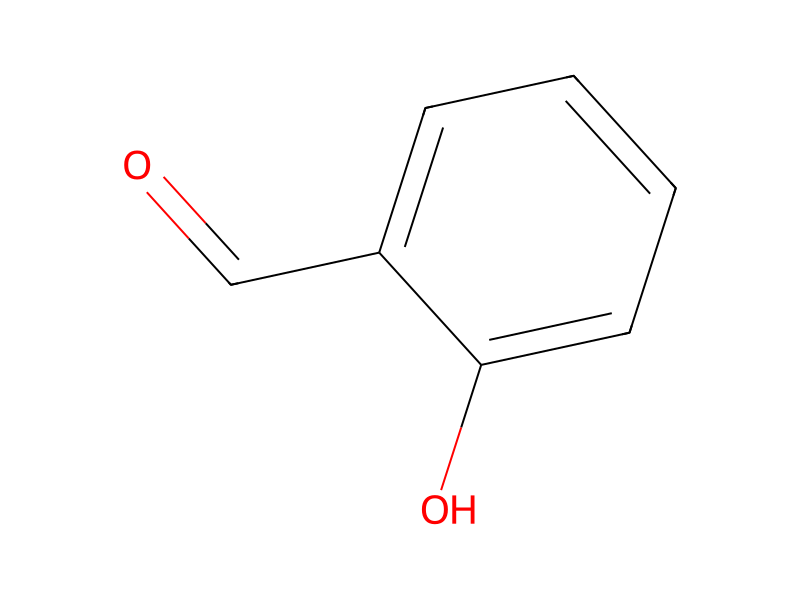
Vanillin glycidyl ether (3-methoxy-4-glycidyloxybenzaldehyde) was prepared in a similar manner to Method A, but starting from vanillin in place of p-hydroxybenzaldehyde. The yield was 96% of theory, the product having an epoxide content of 4.41 equivalents/kg (theoretical value 4.8 equivalents/kg). A sample was recrystallised from ethanol, giving 95% recovery of product having an epoxide content of 4.76 equivalents/kg, melting point 101° C. Salicylaldehyde glycidyl ether (o-glycidyloxybenzaldehyde) may be prepared in a like manner from salicylaldehyde.
Workup
- customA sample was recrystallised from ethanol
- customgiving 95% recovery of product
Sources & evidence
- ORD record
- ord-0fe4df3b57354794af9dbb4113e856d1
- Source dataset
- uspto-grants-1981_08
- Patent number
- US04282353
Reaction notes
Loading…