L-Proline → HCID 54491809, compound
Reaction equation

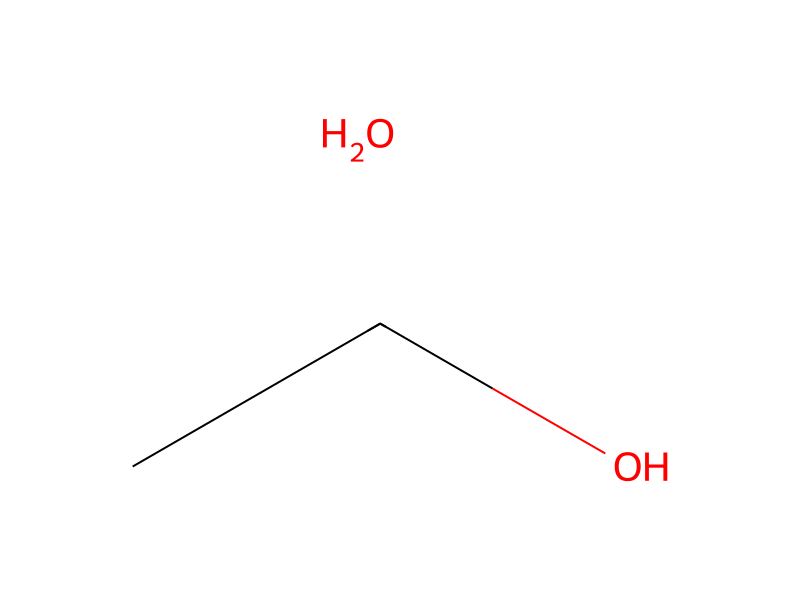
ClC1C=CC(C(CCC(O)=O)=O)=CC=1C(F)(F)F.N1CCC[C@H]1C(O)=O.[Cl:27][C:28]1[CH:47]=[CH:46][C:31]([C:32]([CH2:34][CH2:35][C:36]([N:38]2[CH2:45][CH2:44][CH2:43][C@H:39]2[C:40]([OH:42])=[O:41])=[O:37])=[O:33])=[CH:30][C:29]=1[C:48]([F:51])([F:50])[F:49].[C:52]([O-:55])(=[S:54])[CH3:53].[K+]>C(O)C.O>[C:52]([S:54][CH:34]([C:32](=[O:33])[C:31]1[CH:46]=[CH:47][C:28]([Cl:27])=[C:29]([C:48]([F:51])([F:49])[F:50])[CH:30]=1)[CH2:35][C:36]([N:38]1[CH2:45][CH2:44][CH2:43][C@H:39]1[C:40]([OH:42])=[O:41])=[O:37])(=[O:55])[CH3:53]Participants
6
Reactant 4
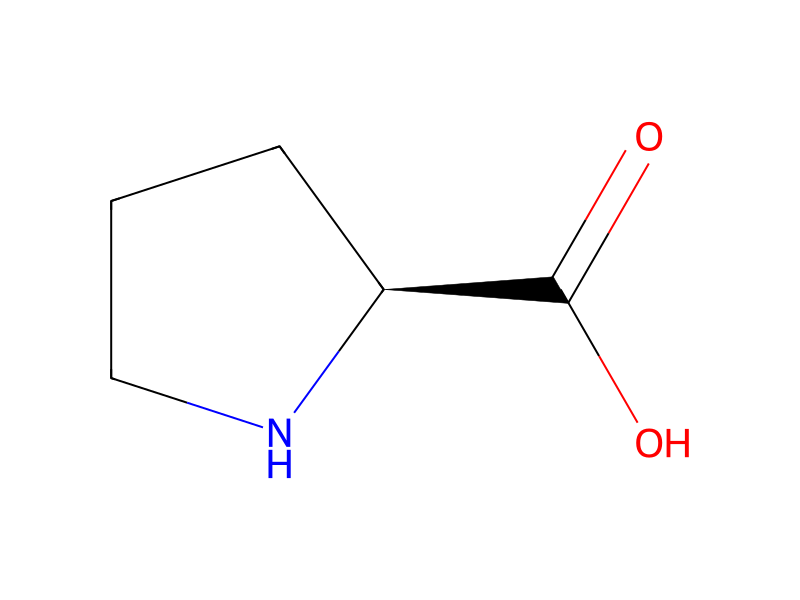


Product 1

Reagents, catalysts & solvents 1
Procedure
The preceding compound is converted to 3-(4-chloro-3-trifluoromethylbenzoyl)propionic acid, hydroxysuccinimide ester and coupled to L-proline as in Example 16. The 1-([3-(4-chloro-3-trifluoromethylbenzoyl)propionyl]-L-proline is brominated as in Example 20 and the product reacted with potassium thioacetate in ethanol-water (1:1) as in Example 21 to give the product of the Example as a glass.
Workup
- customto give the product of the Example as a glass
Sources & evidence
- ORD record
- ord-64b89ead6b534d6dba270a4ad91de205
- Source dataset
- uspto-grants-1980_10
- Patent number
- US04226775
Reaction notes
Loading…