Hydrochloric Acid → HCID 15896351, compound
Reaction equation

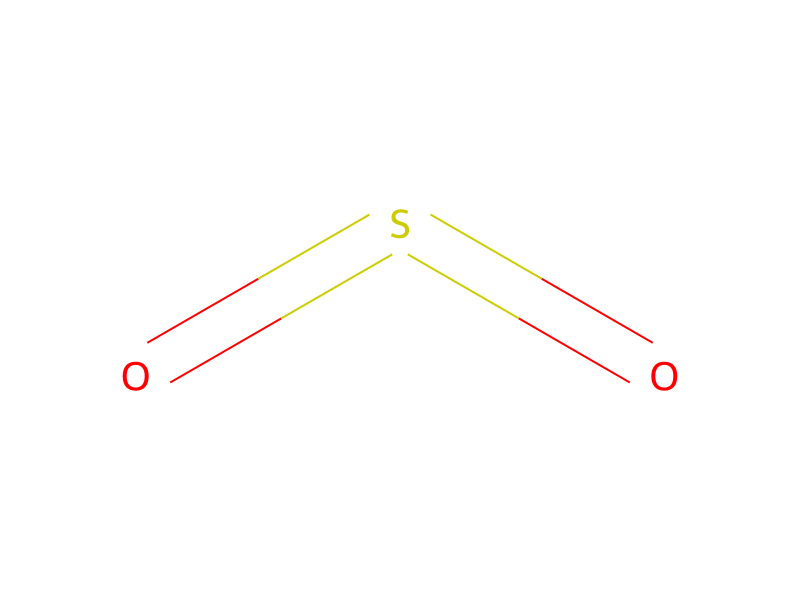
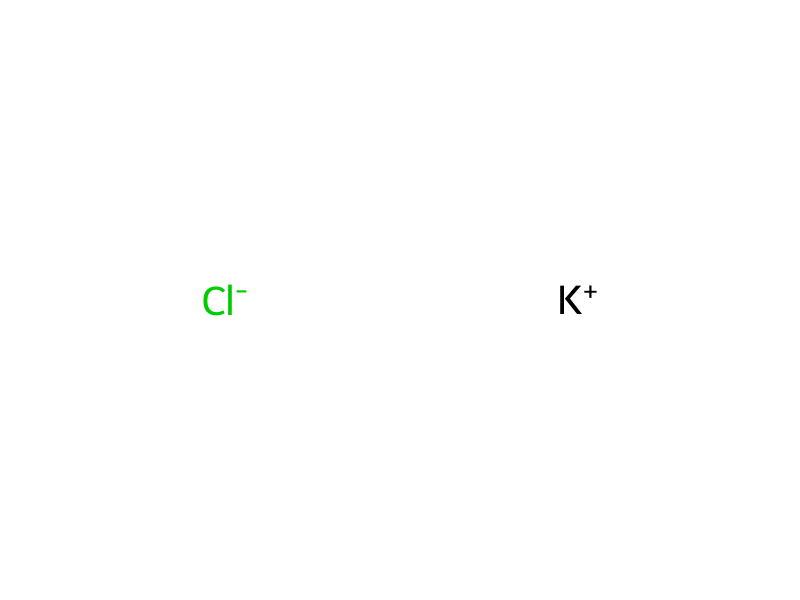
[C:1]([N:4]1[CH2:13][CH2:12][C:11]2[C:6](=[C:7](N)[CH:8]=[CH:9][CH:10]=2)[CH2:5]1)(=[O:3])[CH3:2].[ClH:15].N([O-])=O.[Na+].[S:20](=[O:22])=[O:21].[Cl-].[K+]>O.O1CCOCC1>[C:1]([N:4]1[CH2:13][CH2:12][C:11]2[C:6](=[C:7]([S:20]([Cl:15])(=[O:22])=[O:21])[CH:8]=[CH:9][CH:10]=2)[CH2:5]1)(=[O:3])[CH3:2]Participants
8
Reactant 5



Product 1

Reagents, catalysts & solvents 2


Conditions
- Temperature
- 0 °C
Procedure
A solution (1.9 gm., 0.01 m.) of N-acetyl-8-amino-1,2,3,4 tetrahydroisoquinoline in 10 ml. of concentrated hydrochloric acid is stirred and then cooled to 0° C. The solution is then diazotized by the addition of (0.9 gm., 0.013 m.) sodium nitrite dissolved in 6 ml. of water. The solution of the diazonium salt is added to a mixture of 9 ml. of dioxane saturated with sulfur dioxide containing (1.2 gm., 0.016 m.) potassium chloride and (0.9 gm., 0.004 m.) cupric chloride dihydrate. The mixture is stirred at 25° C. for one hour and then at 40°-60° C. for thirty minutes. The mixture is diluted with water, extracted with ethyl acetate and the solvent is evaporated to yield N-acetyl-8-chlorosulfonyl-1,2,3,4-tetrahydroisoquinoline.
Workup
- dissolutiondissolved in 6 ml
- waitat 40°-60° C. for thirty minutes
- extractionextracted with ethyl acetate
- customthe solvent is evaporated
Sources & evidence
- ORD record
- ord-fa233dca22c448c38d48a9cb111dd4a1
- Source dataset
- uspto-grants-1980_10
- Patent number
- US04228170
Reaction notes
Loading…