Dichloromethane → HCID 23335400, compound
Reaction equation

[CH3:1][N:2]([CH3:18])[CH2:3][CH2:4][N:5]1[C:14]2[C:9](=[C:10]([CH3:16])[CH:11]=[C:12]([CH3:15])[N:13]=2)[CH:8]=[CH:7][C:6]1=O.P12(SP3(SP(SP(S3)(S1)=S)(=S)S2)=S)=[S:20].C(Cl)[Cl:34].C(=O)([O-])[O-].[K+].[K+]>O>[ClH:34].[CH3:1][N:2]([CH3:18])[CH2:3][CH2:4][N:5]1[C:14]2[C:9](=[C:10]([CH3:16])[CH:11]=[C:12]([CH3:15])[N:13]=2)[CH:8]=[CH:7][C:6]1=[S:20]Participants
6
Reactant 4


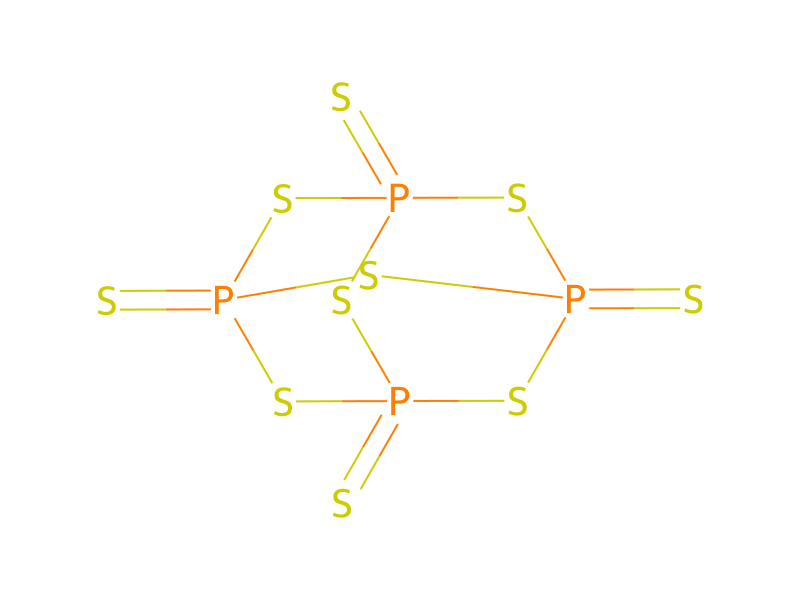

Product 1

Reagents, catalysts & solvents 1

Procedure
A mixture of 1-(2-dimethylaminoethyl)-5,7-dimethyl-1,8-naphthyridin-2(1H)-one (2.5 g., 0.01 mole) and phosphorus pentasulfide (2.0 g., 0.009 mole) in 60 ml. of methylene chloride is heated at reflux for 4 hours. The reaction is cooled, water and solid potassium carbonate added, and the organic layer is separated, dried, filtered through charcoal and evaporated to dryness. The residue is dissolved in ether, hydrogen chloride is added and the salt is recrystallized from isopropanol to yield 1-(2-dimethylaminoethyl)-5,7-dimethyl-1,8-naphthyridin-2(1H)-thione hydrochloride m.p. 209°-211° C.
Workup
- temperatureat reflux for 4 hours
- temperatureThe reaction is cooled
- customthe organic layer is separated
- customdried
- filtrationfiltered through charcoal
- customevaporated to dryness
- dissolutionThe residue is dissolved in ether
- additionhydrogen chloride is added
- customthe salt is recrystallized from isopropanol
Sources & evidence
- ORD record
- ord-959fff32704646879b42b6d9cdff2fa1
- Source dataset
- uspto-grants-1980_10
- Patent number
- US04229456
Reaction notes
Loading…