Hydrochloric Acid → 4-Phenyl-2-propionylaminothiophene-3-carboxylic amide
Reaction equation

[NH2:1][C:2]1[S:3][CH:4]=[C:5]([C:10]2[CH:15]=[CH:14][CH:13]=[CH:12][CH:11]=2)[C:6]=1[C:7]([NH2:9])=[O:8].[C:16](Cl)(=[O:19])[CH2:17][CH3:18].C[O-].[Na+].Cl>O.C(O)C.N1C=CC=CC=1>[C:10]1([C:5]2[C:6]([C:7]([NH2:9])=[O:8])=[C:2]([NH:1][C:16](=[O:19])[CH2:17][CH3:18])[S:3][CH:4]=2)[CH:11]=[CH:12][CH:13]=[CH:14][CH:15]=1Participants
8
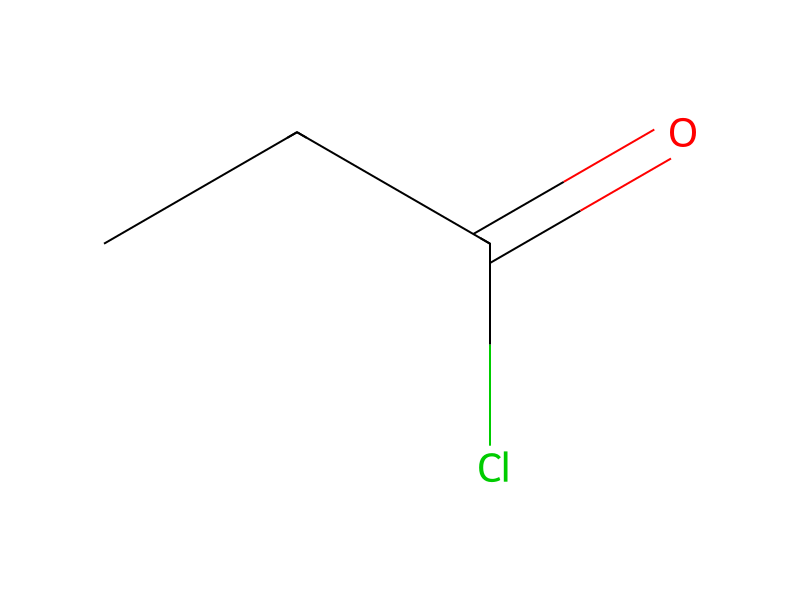
Reactant 4



Product 1

Reagents, catalysts & solvents 3



Procedure
A mixture of 2-amino-4-phenylthiophene-3-carboxylic acid amide (3.0 g, 13.8 mmol) and anhydrous pyridine (12 ml) was treated with propionyl chloride (1.32 ml, 15.2 mmol) and stirred at ambient temperature for 3 hours. The excess pyridine was removed in vacuo to give a residue, which was treated with ethanol (50 ml) and sodium methoxide (2.24 g, 41.4 mmol) and the resultant mixture was heated under reflux for 18 hours. The cooled mixture was then diluted with water (300 ml) and acidified with concentrated hydrochloric acid. The resulting solid was collected by filtration, washed with water and dried in vacuo to give 4-phenyl-2-propionylaminothiophene-3-carboxylic amide.
Workup
- customThe excess pyridine was removed in vacuo
- customto give a residue, which
- temperatureunder reflux for 18 hours
- filtrationThe resulting solid was collected by filtration
- washwashed with water
- customdried in vacuo
Sources & evidence
- ORD record
- ord-c8822414241d49c6a992efdefe9c230c
- Source dataset
- uspto-grants-2011_09
- Patent number
- US08022076B2
Reaction notes
Loading…