Water → 6-(1-chloro-2-oxo-2-phenylethyl)-2-isopropyl-3(2H)-pyridazinone
Reaction equation

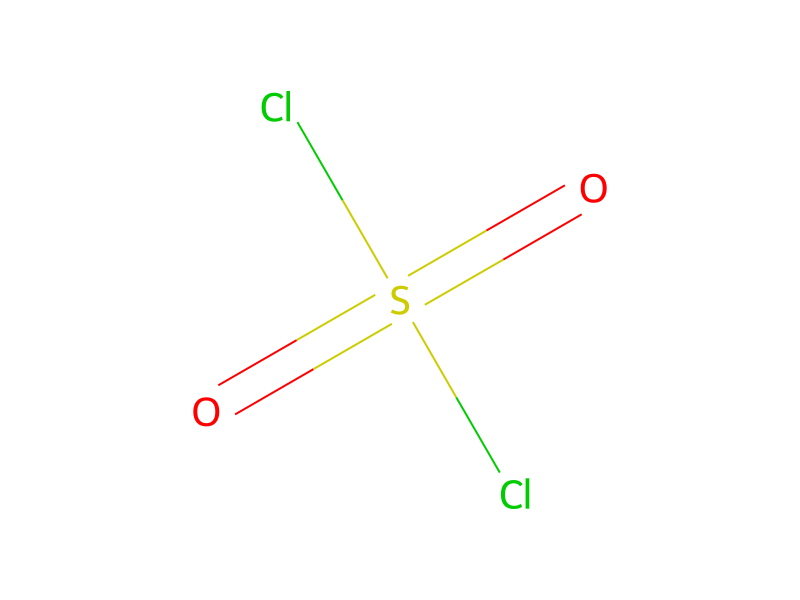
[CH:1]([N:4]1[C:9](=[O:10])[CH:8]=[CH:7][C:6]([CH2:11][C:12](=[O:19])[C:13]2[CH:18]=[CH:17][CH:16]=[CH:15][CH:14]=2)=[N:5]1)([CH3:3])[CH3:2].S(Cl)([Cl:23])(=O)=O.O.CCOC(C)=O>C(Cl)Cl>[Cl:23][CH:11]([C:6]1[CH:7]=[CH:8][C:9](=[O:10])[N:4]([CH:1]([CH3:3])[CH3:2])[N:5]=1)[C:12](=[O:19])[C:13]1[CH:14]=[CH:15][CH:16]=[CH:17][CH:18]=1Participants
6





Procedure
A mixture of 2-isopropyl-6-(2-oxo-2-phenylethyl)-3(2H)-pyridazinone (100 g) and sulfurylchloride (32.9 ml) in CH2Cl2 (200 ml) was refluxed with stirring for 5 hours. Water and EtOAc were added to the reaction mixture. The organic layer was separated, and dried over MgSO4. The solvent was removed in vacuo. The residue was purified by silica gel column chromatography eluted with a mixture of n-hexane and EtOAc. The fractions were concentrated in vacuo to obtain 6-(1-chloro-2-oxo-2-phenylethyl)-2-isopropyl-3(2H)-pyridazinone (100 g) as white powder.
Workup
- temperaturewas refluxed
- customThe organic layer was separated
- dry with materialdried over MgSO4
- customThe solvent was removed in vacuo
- customThe residue was purified by silica gel column chromatography
- washeluted with a mixture of n-hexane and EtOAc
- concentrationThe fractions were concentrated in vacuo
Sources & evidence
- ORD record
- ord-1148ceb74662448d84e3c15ad4dca89d
- Source dataset
- uspto-grants-2007_09
- Patent number
- US07265120B2
Reaction notes
Loading…