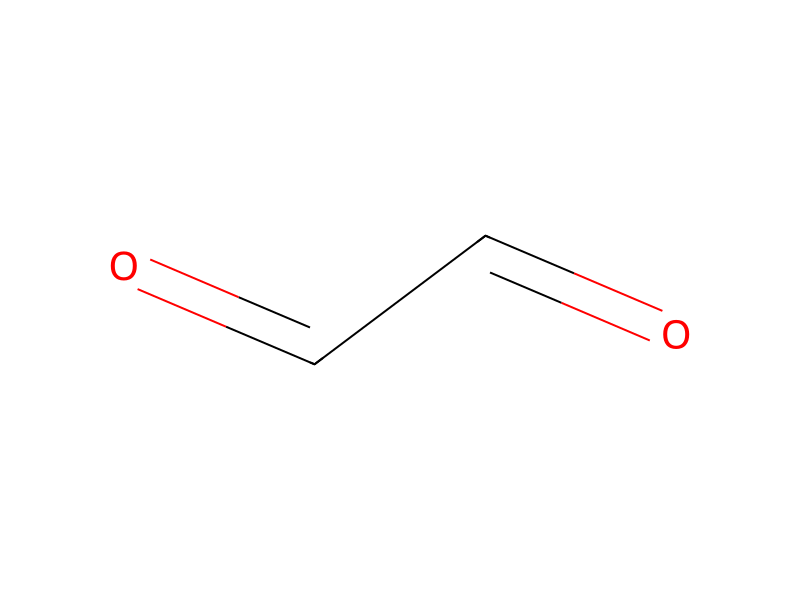
Glyoxal → 2-chloro-6-(1H-imidazol-2-yl)pyridine
Reaction equation

C(C=O)=O.[OH-].[NH4+:6].[Cl:7][C:8]1[N:13]=[C:12]([CH:14]=O)[CH:11]=[CH:10][CH:9]=1.ClC1C=CC=[C:19]([CH3:23])[N:18]=1>CO>[Cl:7][C:8]1[CH:9]=[CH:10][CH:11]=[C:12]([C:14]2[NH:6][CH:23]=[CH:19][N:18]=2)[N:13]=1Participants
6
Reactant 4



Product 1

Reagents, catalysts & solvents 1

Procedure
Glyoxal (40% w/w H2O, 20 mL) and ammonium hydroxide (con. 40 mL) are added to a solution of 6-chloro-pyridine-2-carbaldehyde (0.127 mol; prepared from 2-chloro-6-methyl-pyridine essentially as described by Vacher et al. (1998) J. Med. Chem. 41:5080) in MeOH (620 mL) at 0° C. The mixture is allowed to warm gradually to room temperature over an 18 hour period. The solvent is removed. Water (125 mL) is added to the residue and the mixture is extracted with methylene chloride (5×150 mL). The combined organic layers are washed with brine (2×100 mL), dried and solvent removed. The crude product is triturated with ethyl ether (200 mL) to give 2-chloro-6-(1H-imidazol-2-yl)-pyridine as a solid.
Workup
- customat 0° C
- customThe solvent is removed
- additionWater (125 mL) is added to the residue
- extractionthe mixture is extracted with methylene chloride (5×150 mL)
- washThe combined organic layers are washed with brine (2×100 mL)
- customdried
- customsolvent removed
- customThe crude product is triturated with ethyl ether (200 mL)
Sources & evidence
- ORD record
- ord-9aa026ce563b4603986456ee72cd8715
- Source dataset
- uspto-grants-2007_09
- Patent number
- US07271170B2
Reaction notes
Loading…