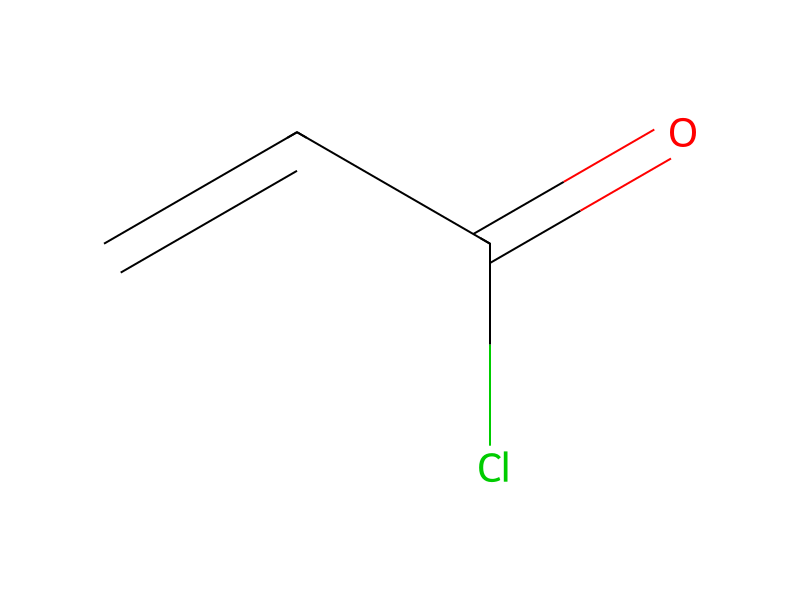
Acryloyl chloride → HCID 23070525, compound
Reaction equation

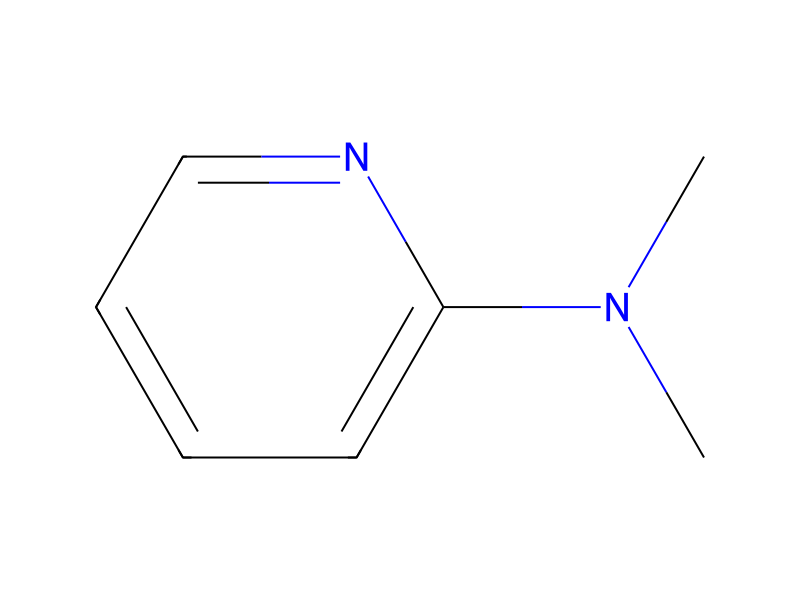
[C:1]1([S:7][CH2:8][CH2:9][S:10][CH2:11][CH:12]([OH:24])[CH2:13][S:14][CH2:15][CH2:16][S:17][C:18]2[CH:23]=[CH:22][CH:21]=[CH:20][CH:19]=2)[CH:6]=[CH:5][CH:4]=[CH:3][CH:2]=1.[C:25](Cl)(=[O:28])[CH:26]=[CH2:27].CN(C1C=CC=CN=1)C>>[C:25]([O:24][CH:12]([CH2:13][S:14][CH2:15][CH2:16][S:17][C:18]1[CH:19]=[CH:20][CH:21]=[CH:22][CH:23]=1)[CH2:11][S:10][CH2:9][CH2:8][S:7][C:1]1[CH:2]=[CH:3][CH:4]=[CH:5][CH:6]=1)(=[O:28])[CH:26]=[CH2:27]Participants
4


Procedure
An excess of 2-(phenylthio)ethanethiol is reacted with epichlorohydrin to form 1,3-bis(2-(phenylthio)ethylthio)propan-2-ol. In the final step, the 1,3-bis(2-(phenylthio)ethylthio)propan-2-ol is reacted with a acryloyl chloride in the presence of a tertiary alkyl amine and dimethylaminopyridine to form 1,3-bis(2-(phenylthio)ethylthio)propan-2-yl acrylate.
Sources & evidence
- ORD record
- ord-8a9b1a6b99094c2db7413ed89cdbe436
- Source dataset
- uspto-grants-2007_09
- Patent number
- US07271283B2
Reaction notes
Loading…