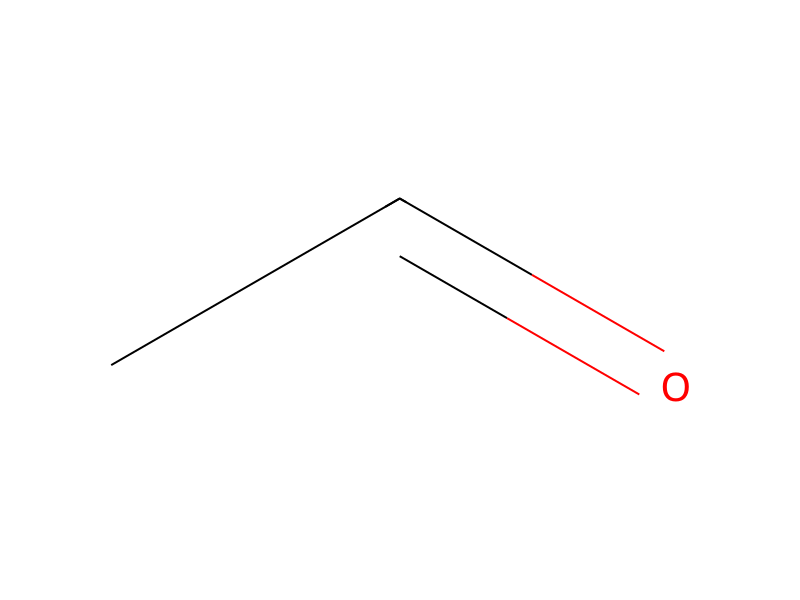
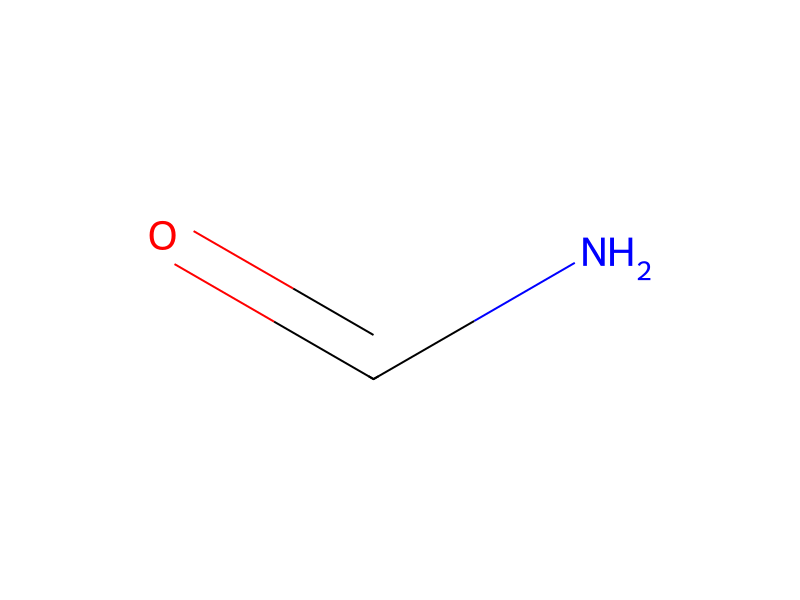
Acetaldehyde → Formamide
Reaction equation

[H][H].C(=O)C.S(OOS([O-])(=O)=O)([O-])(=O)=O.[NH4+].[NH4+].[CH:18]1[N:22]([C@@H:23]2[O:27][C@@H:26]3[CH2:28][O:29][P:30]([OH:33])([O:32][C@H:25]3[C@H:24]2[OH:34])=[O:31])[C:21]2[NH:35][C:36]([NH2:40])=[N:37][C:38](=[O:39])[C:20]=2[N:19]=1>>[CH:23]([NH2:22])=[O:27].[CH:18]1[N:22]([C@@H:23]2[O:27][C@@H:26]3[CH2:28][O:29][P:30]([OH:33])([O:32][C@H:25]3[C@H:24]2[OH:34])=[O:31])[C:21]2[NH:35][C:36]([NH2:40])=[N:37][C:38](=[O:39])[C:20]=2[N:19]=1Participants

Procedure
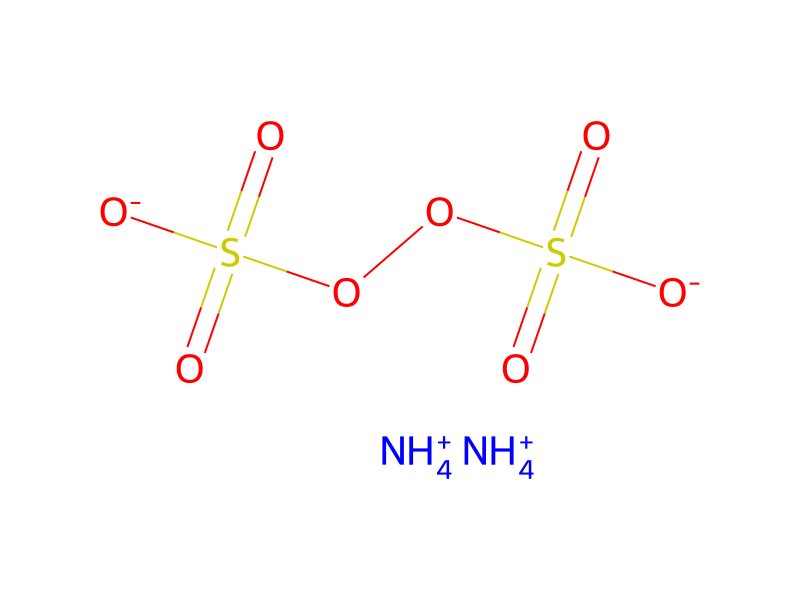
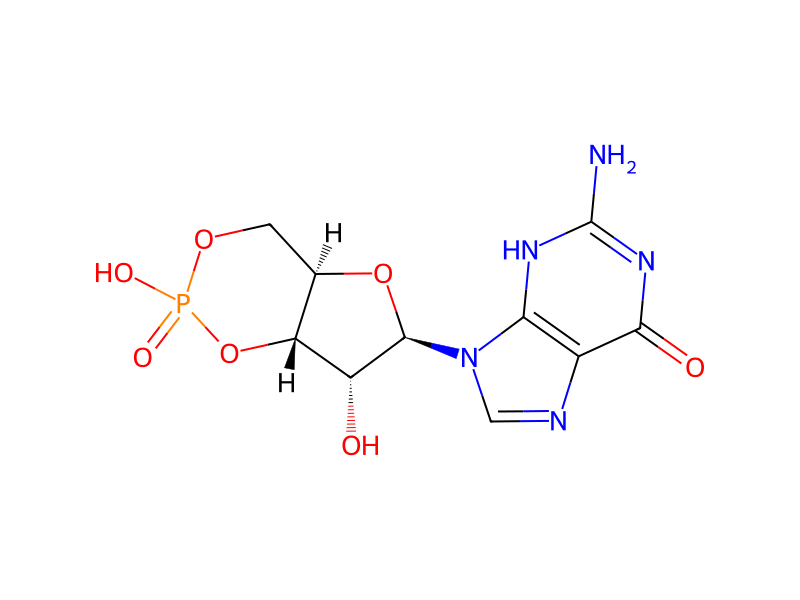
Hydrogen abstraction from the carbonyl carbon of aldehydes by a radical source was utilized to yield the acyl radical, a highly reactive acylating agent, for the synthesis of 8-acyl-cGMP derivatives. Acetaldehyde and cGMP, in the presence of t-BuOOH, FeSO4 and 0.3 N H2SO4, yielded 8-acetylguanosine 3',5'-cyclic phosphate (6); however, in initial experiments a significant amount of 8-methyl-cGMP (2) was also formed. To avoid the possibility of methylation competing with hydrogen abstraction from the aldehyde, ammonium persulfate was subsequently used as a radical source. In this manner, 6 was readily obtained in 43% yield. Using the appropriate aldehyde under these conditions, 8-n-butyryl (7), 8-isobutyryl (8), and 8-benzoylguanosine 3',5'-cyclic phosphate (9) were prepared from cGMP. Formamide and cGMP under these conditions gave 8-carbamoylguanosine 3',5'-cyclic phosphate (10).
Workup
- customIn this manner, 6 was readily obtained in 43% yield
Sources & evidence
- ORD record
- ord-6e0b46ecb5244ea5afc54cac63fd2f91
- Source dataset
- uspto-grants-1976_07
- Patent number
- US03968101
Reaction notes
Loading…