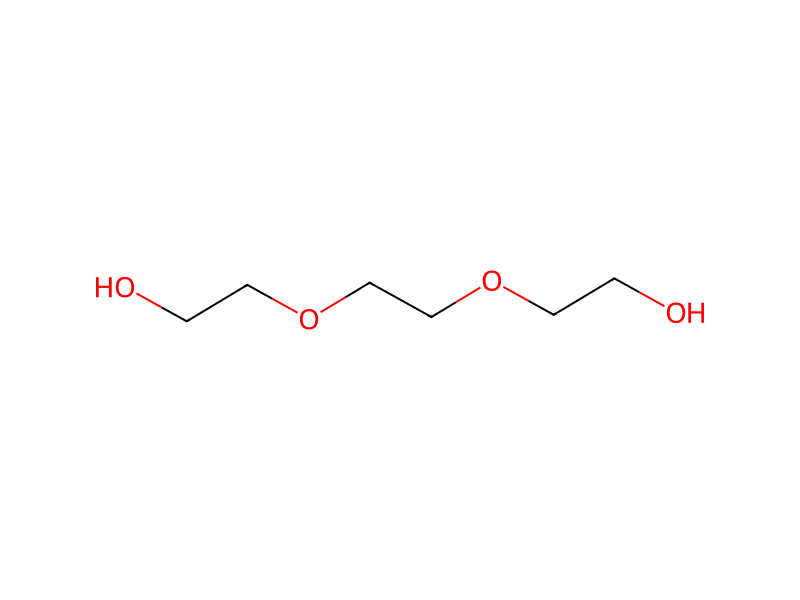
Triethylene Glycol → HCID 21524265, compound
Reaction equation

[CH3:1][C:2]1([C:19]([OH:21])=[O:20])[C:11]2[C:6](=[CH:7][C:8]([CH:12]3[CH2:17][CH2:16][CH2:15][CH2:14][CH2:13]3)=[CH:9][CH:10]=2)[C:5](=O)[CH2:4][CH2:3]1.O.NN.[OH-].[K+].C(O)COCCOCCO>>[CH3:1][C:2]1([C:19]([OH:21])=[O:20])[C:11]2[C:6](=[CH:7][C:8]([CH:12]3[CH2:17][CH2:16][CH2:15][CH2:14][CH2:13]3)=[CH:9][CH:10]=2)[CH2:5][CH2:4][CH2:3]1Participants
5




Conditions
- Temperature
- 195 °C
Procedure
A mixture of 12 g of l-methyl-4-oxo-6-cyclohexyl-1,2,3,4-tetrahydronaphthalene-1 -carboxylic acid, 10 g of hydrazine hydrate, 13.7 g of potassium hydroxide, and 85 ml of triethylene glycol is heated at 130°-140°C for 2 hours. After that, while distilling off a mixture of hydrazine and water, the temperature is raised up to 195°C, and the batch is stirred until the evolution of nitrogen ceases. The mixture is then diluted with 50 ml of water, acidified with concentrated hydrochloric acid, then extracted with ethyl acetate. The resin-like crude product remaining after evaporation of the ethyl acetate is crystallized from toluene and yields 1-methyl-6-cyclohexyl-1,2,3,4-tetrahydronaphthalene-1carboxylic acid of the formula ##SPC12##
Workup
- temperatureis heated at 130°-140°C for 2 hours
- distillationAfter that, while distilling off
- additiona mixture of hydrazine and water
- additionThe mixture is then diluted with 50 ml of water
- extractionextracted with ethyl acetate
- customafter evaporation of the ethyl acetate
- customis crystallized from toluene
Sources & evidence
- ORD record
- ord-e22b80126362400cb2777cfed897a76d
- Source dataset
- uspto-grants-1976_07
- Patent number
- US03968142
Reaction notes
Loading…