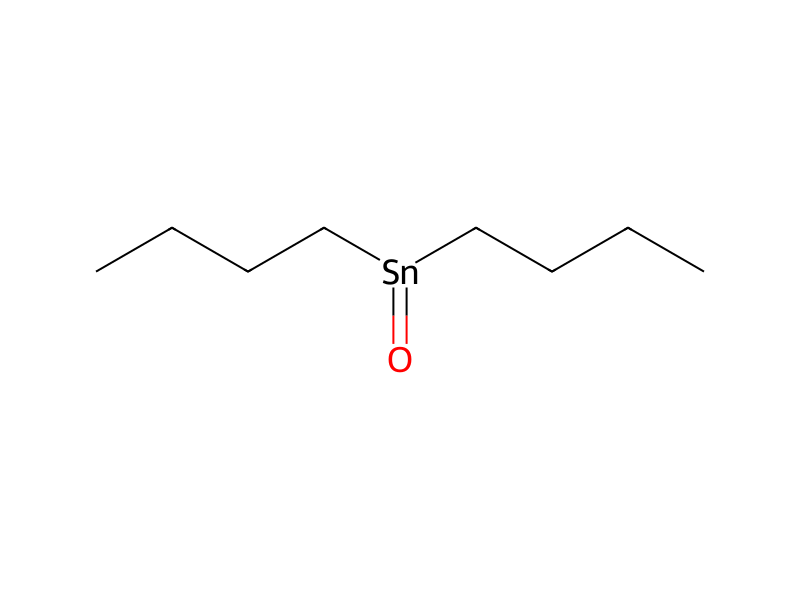
Dibutyltin oxide → HCID 118308772, compound
Reaction equation

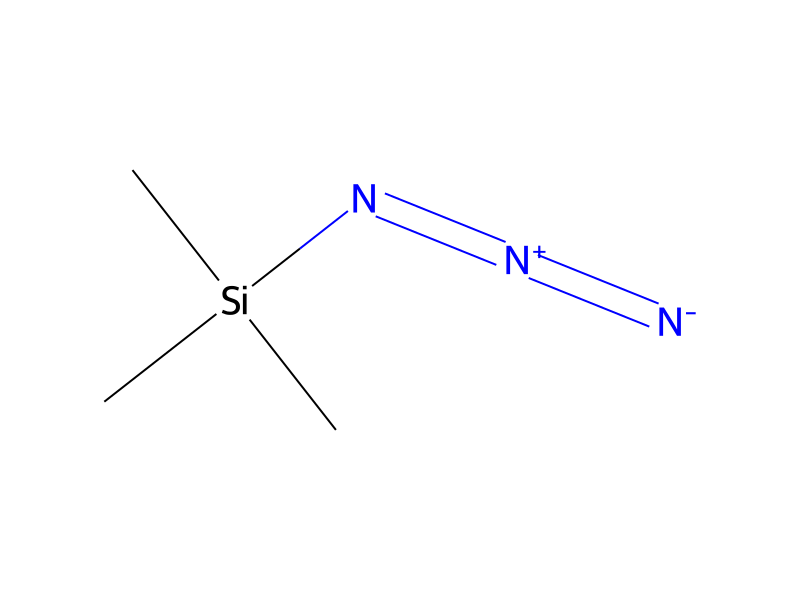
[C:1]([C:3]1([CH3:17])[CH2:7][O:6][C:5]([CH3:9])([CH3:8])[N:4]1[C:10]([O:12][C:13]([CH3:16])([CH3:15])[CH3:14])=[O:11])#[N:2].C[Si]([N:22]=[N+:23]=[N-:24])(C)C.C([Sn](=O)CCCC)CCC>C1(C)C=CC=CC=1>[CH3:8][C:5]1([CH3:9])[N:4]([C:10]([O:12][C:13]([CH3:16])([CH3:15])[CH3:14])=[O:11])[C:3]([CH3:17])([C:1]2[N:22]=[N:23][NH:24][N:2]=2)[CH2:7][O:6]1Participants
5
Reactant 3

Product 1

Reagents, catalysts & solvents 1

Procedure
A mixture of 317 mg of tert-butyl 4-cyano-2,2,4-trimethyl-1,3-oxazolidine-3-carboxylate, 307 mg of trimethylsilyl azide, 67 mg of dibutyltin oxide, and 10 ml of toluene was stirred for 8 hours under heating to reflux. The reaction mixture was left to be cooled to room temperature and then concentrated under reduced pressure. The obtained residue was purified by silica gel column chromatography to obtain 168 mg of tert-butyl 2,2,4-trimethyl-4-(2H-tetrazol-5-yl)-1,3-oxazolidine-3-carboxylate.
Workup
- temperatureunder heating to reflux
- waitThe reaction mixture was left
- concentrationconcentrated under reduced pressure
- customThe obtained residue was purified by silica gel column chromatography
Sources & evidence
- ORD record
- ord-73fb459e234a4b41835a6471755fbcd3
- Source dataset
- uspto-grants-2016_03
- Patent number
- US09278968B2
Reaction notes
Loading…