Hydrochloric Acid → HCID 91827759, compound
Reaction equation

Cl.C[C@@H](O)[C@H](NC(CNC([C@@H](NC([C@@H](NC([C@@H](N)CC1N=CNC=1)=O)CO)=O)CCC(N)=O)=O)=O)C(N[C@H](C(N[C@H](C(N[C@H](C(N[C@H](C(N[C@H](C(N[C@H](C(N[C@H](C(N[C@H](C(N[C@H](C(N[C@H](C(N[C@H](C(N[C@H](C(N[C@H](C(N[C@H](C(N[C@H](C(N[C@H](C(N[C@H](C(N[C@H](C(N[C@H](C(N[C@H](C(N[C@H](C(N[C@H](C(N[C@H](C(N[C@H:210]([C:214]([OH:216])=[O:215])[C@H:211]([OH:213])[CH3:212])=O)CC(N)=O)=O)CCSC)=O)CC(C)C)=O)CC1C2C=CC=CC=2NC=1)=O)CCC(N)=O)=O)C(C)C)=O)CC1C=CC=CC=1)=O)CC(O)=O)=O)CCC(N)=O)=O)C)=O)CCCN=C(N)N)=O)CCCN=C(N)N)=O)CO)=O)CC(O)=O)=O)CC(C)C)=O)CC1C=CC(O)=CC=1)=O)CCCCN)=O)CO)=O)CC1C=CC(O)=CC=1)=O)CC(O)=O)=O)CO)=O)[C@H](O)C)=O)CC1C=CC=CC=1)=O.C(O)[C@H]1[O:254][C@H:253]([O:255][C@H]2O[C@H](CO)[C@@H](O)[C@H](O)[C@H]2O)[C@H:252](O)[C@@H](O)[C@@H]1O.[CH2:271](N)[C:272](O)=[O:273]>CS(C)=O>[CH3:252][C:253]([O:255][C@H:212]1[C@H:211]([OH:213])[C@@H:210]([C:214]([OH:216])=[O:215])[O:273][CH:272]=[CH:271]1)=[O:254]Participants
6
Reactant 4

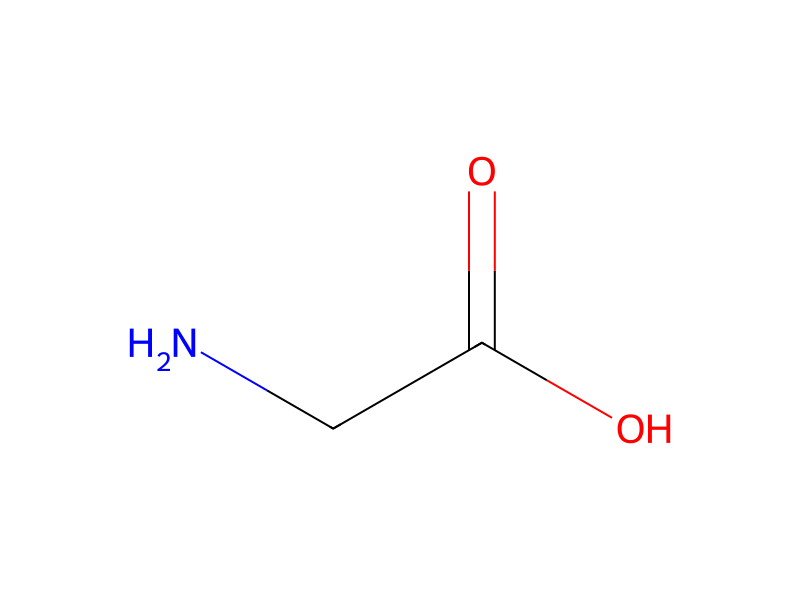


Product 1

Reagents, catalysts & solvents 1

Procedure
Glucagon acetate was prepared at 1.0 mg/mL via dissolution in 2 mM L-glycine, pH 3.0 (titrated with concentrated HCl). The glucagon formulations were lyophilized and reconstituted in DMSO at a nominal concentration of 5 mg/mL glucagon. Solution samples were divided and trehalose was added to one solution to a concentration of 5%. These formulations were aliquoted into vials and placed in a stability incubator at 5° C. At 5° C., these solutions were observed to freeze. The glucagon solutions were thawed at various interals and turbidity was determined using the absorbance at 630 nm.
Workup
- customplaced in a stability incubator at 5° C
- customAt 5° C.
Sources & evidence
- ORD record
- ord-3a9cdb2193d54a9a955d74878f8bf97b
- Source dataset
- uspto-grants-2016_03
- Patent number
- US09295724B2
Reaction notes
Loading…