Lithium Hydroxide → HCID 178525787, compound
Reaction equation

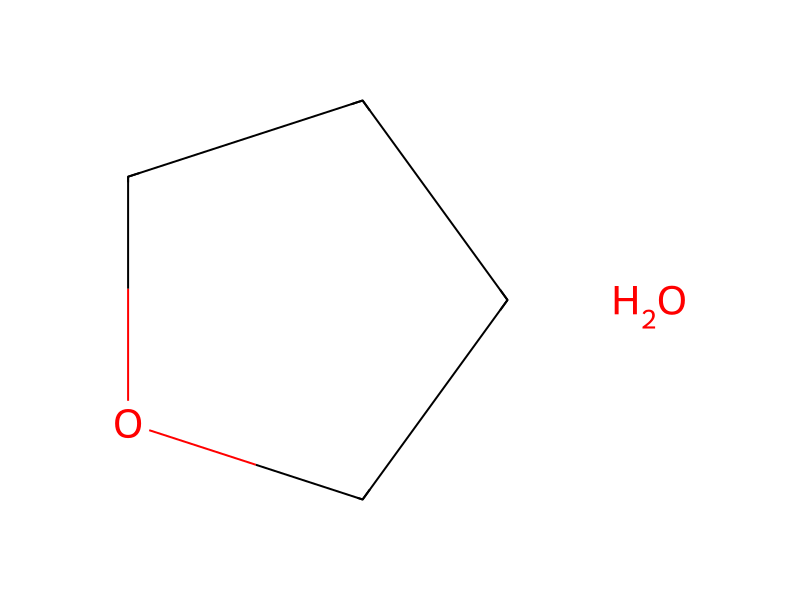
[OH-].[Li+].[Cl:3][C:4]1[CH:5]=[N:6][N:7]([C:9]2([C:12]3[NH:31][C:15]4=[N:16][C:17]([N:20]5[CH2:25][CH2:24][CH2:23][C@@H:22]([C:26]([O:28]CC)=[O:27])[CH2:21]5)=[CH:18][CH:19]=[C:14]4[N:13]=3)[CH2:11][CH2:10]2)[CH:8]=1>O1CCCC1.O>[Cl:3][C:4]1[CH:5]=[N:6][N:7]([C:9]2([C:12]3[NH:31][C:15]4=[N:16][C:17]([N:20]5[CH2:25][CH2:24][CH2:23][C@@H:22]([C:26]([OH:28])=[O:27])[CH2:21]5)=[CH:18][CH:19]=[C:14]4[N:13]=3)[CH2:10][CH2:11]2)[CH:8]=1Participants



Procedure
Lithium hydroxide (182.4 mg, 4.32 mmol) was added to a solution of (R)-ethyl 1-(2-(1-(4-chloro-1H-pyrazol-1-yl)cyclopropyl)-3H-imidazo[4,5-b]pyridin-5-yl)piperidine-3-carboxylate (600 mg, 1.44 mmol) in tetrahydrofuran:water (1:1, 20 mL) at room temperature. The reaction mixture was stirred for 3 h. The solvent was removed under reduced pressure and the resulting residue was dissolved in water. The pH of the solution was adjusted to 2 using aqueous hydrochloric acid (1N), and the product was extracted with ethyl acetate. The organics were dried over sodium sulfate and concentrated under reduced pressure to afford (R)-1-(2-(1-(4-chloro-1H-pyrazol-1-yl)cyclopropyl)-3H-imidazo[4,5-b]pyridin-5-yl)piperidine-3-carboxylic acid (500 mg). The material was used for the next step without further purification. MS (ES+) (M+H) 387.3246.
Workup
- customThe solvent was removed under reduced pressure
- dissolutionthe resulting residue was dissolved in water
- extractionthe product was extracted with ethyl acetate
- dry with materialThe organics were dried over sodium sulfate
- concentrationconcentrated under reduced pressure
Sources & evidence
- ORD record
- ord-526eeef679114509845ce629d725f81c
- Source dataset
- uspto-grants-2016_03
- Patent number
- US09296745B2
Reaction notes
Loading…