Potassium Chloride → Phosphate Buffered Saline
Reaction equation

[Cl-:1].[Na+:2].[Cl-].[K+:4].[P:5]([O-:9])([O-:8])([OH:7])=[O:6].[Na+].[Na+].[P:12]([O-:16])([OH:15])([OH:14])=[O:13].[K+].[N-]=[N+]=[N-].[Na+]>O>[OH:7][P:5]([O-:9])([OH:8])=[O:6].[OH:14][P:12]([O-:16])([O-:15])=[O:13].[Na+:2].[Na+:2].[Na+:2].[Cl-:1].[Cl-:1].[K+:4].[K+:4]Participants
7





Procedure
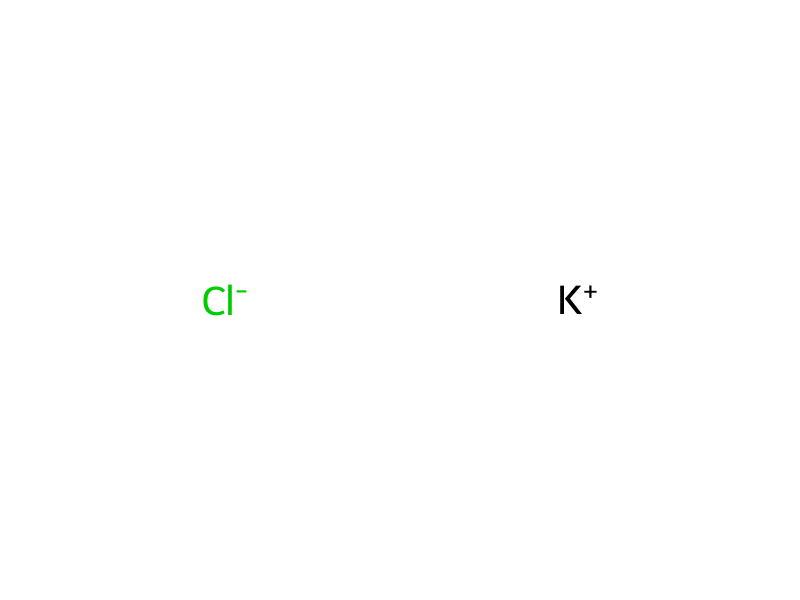
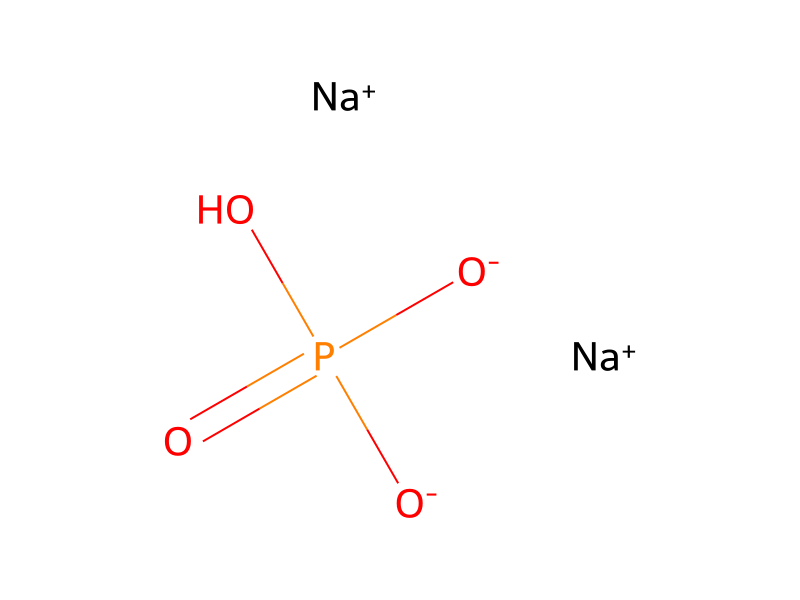
Dulbecco's phosphate buffered saline (DPBS) is prepared by first dissolving, sequentially, about 160 g sodium chloride (NaCI), about 4 grams potassium chloride (KCl), about 23 grams disodium hydrogen orthophosphate (Na2HPO4), about 4 grams potassium dihydrogen orthophosphate (KH2PO4), and about 10 grams sodium azide in a liter of reverse-osmosis (MilliQ) water. Then, the pH is adjusted to about 7.3 by adding appropriate amounts of HCI. Finally, the buffer solution is diluted to 1:20 (50 ml buffer solution with 950 ml reverse-osmosis water). and allowed to degas either in a screw-capped container overnight or under vacuum.
Workup
- additionby adding appropriate amounts of HCI
- customto degas either in a screw-capped container overnight or under vacuum
Sources & evidence
- ORD record
- ord-011088ed1ff140be94004e58e4f74295
- Source dataset
- uspto-grants-1998_06
- Patent number
- US05760100
Reaction notes
Loading…