Water → Carbon Dioxide
Reaction equation

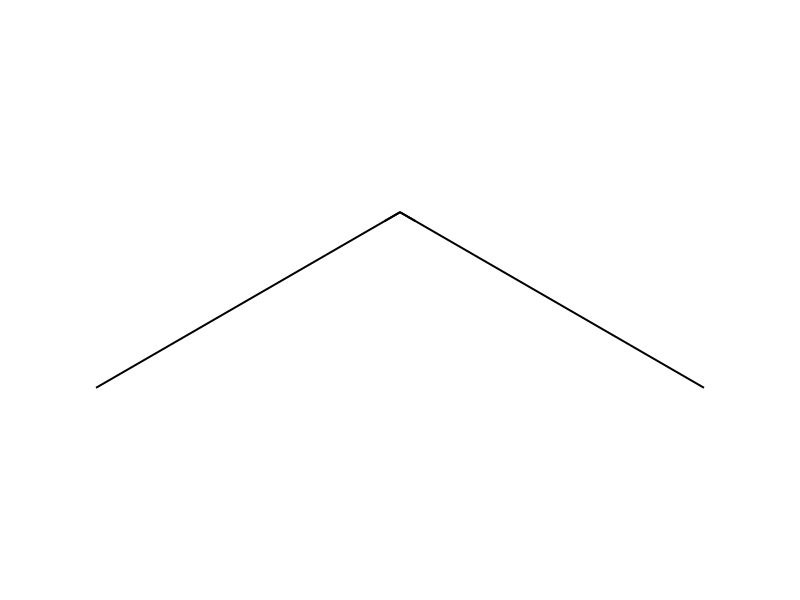
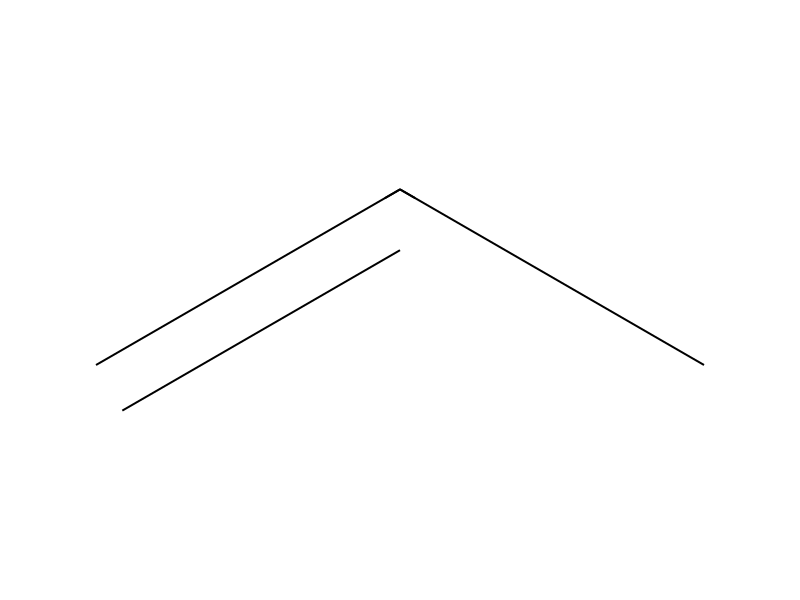
[OH2:1].[CH:2]([OH:5])([CH3:4])[CH3:3]>>[CH3:3][CH2:2][CH3:4].[CH2:3]=[CH:2][CH3:4].[C:2](=[O:5])=[O:1]Participants



Procedure
For example, according to the experimental examination of the inventors of the present invention, comparing the gas-liquid equilibrium of the three components of water, isopropyl alcohol and the extraction agent (any one of propane, propylene and CO2) at a temperature in a range between 120° and 130° C. and a pressure in a range between 80 and 100 atm, the concentration of the isopropyl alcohol in the gaseous phase in equilibrium with the liquid phase obtained by using propane as the extraction agent is unexpectedly 1.2-2.5 times higher than that obtained by using propylene and CO2 as the extraction agent, when the concentration of the isopropyl alcohol in the liquid phase free of the extraction agent is 15-20% by weight. Furthermore, when the concentration of the isopropyl alcohol in the gaseous phase is converted into the concentration of the alcohol free of the extraction agent, the converted concentration obtained by using propane as the extraction agent is as high as over 90% by weight while the concentration obtained by using propylene or CO2 as the extraction agent is about 75-85% by weight. On the other hand, comparing the concentration of the extraction agent dissolved in the liquid phase, it is about 0.1-1 mol % when the extraction agent is propane, which is about from 1/2 to 1/10 of the concentration obtained when the extraction agent is propylene or CO2.
Sources & evidence
- ORD record
- ord-ef4c5e53d3eb431b835d6a1d61961e3d
- Source dataset
- uspto-grants-1998_06
- Patent number
- US05763693
Reaction notes
Loading…