Bisphenol A → HCID 131720718, compound
Reaction equation

C[C:2]1[CH:8]=[C:7]([OH:9])[CH:6]=[CH:5][C:3]=1[OH:4].[OH:10][C:11]1[CH:16]=[CH:15][C:14]([C:17]([C:20]2[CH:25]=[CH:24][C:23]([OH:26])=[CH:22][CH:21]=2)([CH3:19])[CH3:18])=[CH:13][CH:12]=1.[C:27](=O)(OC1C=CC=CC=1)OC1C=CC=CC=1>>[CH3:19][C:17]([C:14]1[CH:13]=[CH:12][C:11]([OH:10])=[CH:16][CH:15]=1)([C:20]1[CH:25]=[CH:24][C:23]([OH:26])=[CH:22][CH:21]=1)[CH3:18].[CH3:27][O:9][C:7]1[CH:8]=[CH:2][C:3]([OH:4])=[CH:5][CH:6]=1Participants
4

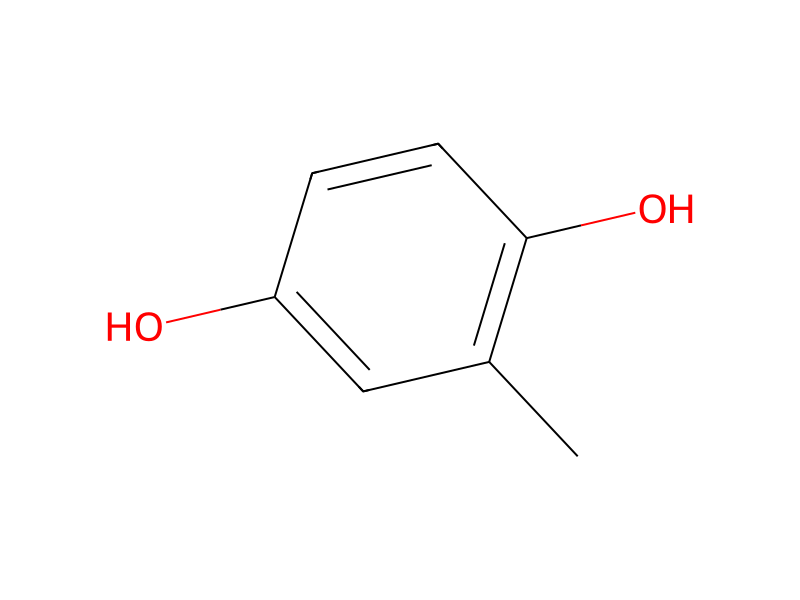


Conditions
- Temperature
- 180 °C
Procedure
To a 1 L glass reaction vessel, methylhydroquinone (1.045 moles, 129.73 g), bisphenol-A (0.055 moles, 12.56 g) and diphenyl carbonate (1.19 moles, 254.50 g) were added. The system was purged and backfilled with nitrogen three times. The system was heated to about 180° C. to melt the material and stirring began. The molten liquid was light yellow. The catalysts were added (TMAH followed by NaOH) via a syringe. The system underwent all 11 segments shown in Table 1. After about 3 hours, the polymer was stranded to give between 96-100 g of stranded polymer. Four batches were prepared.
Workup
- additionwere added
- customThe system was purged
- additionThe catalysts were added (TMAH followed by NaOH) via a syringe
Sources & evidence
- ORD record
- ord-edb10c1db7934927aa5de5fa8351a764
- Source dataset
- uspto-grants-1998_06
- Patent number
- US05767225
Reaction notes
Loading…