Phenol → HCID 131720718, compound
Reaction equation

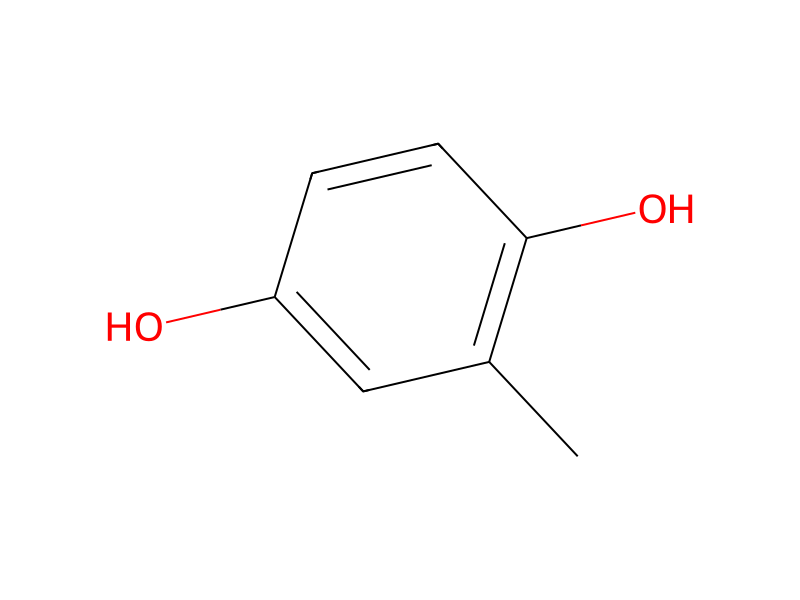
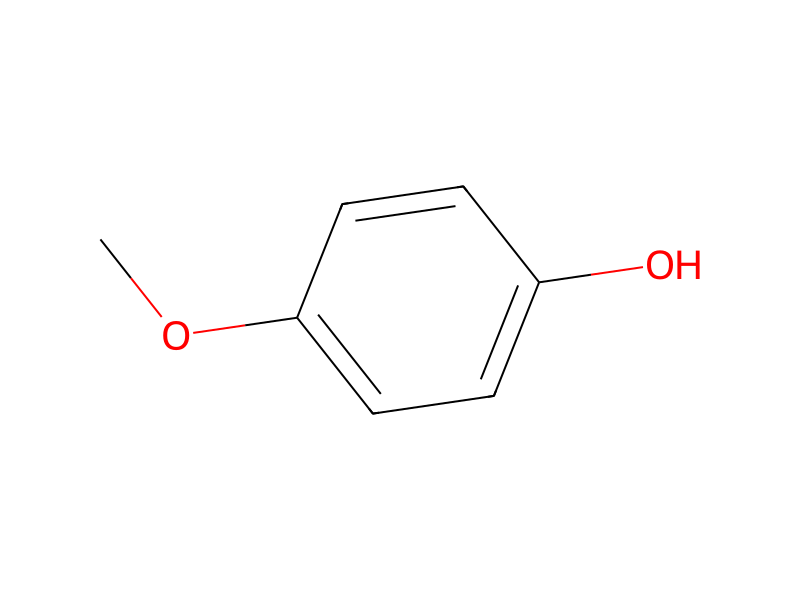
CC1C=C(O)C=CC=1O.[OH:10][C:11]1[CH:16]=[CH:15][C:14]([C:17]([C:20]2[CH:25]=[CH:24][C:23]([OH:26])=[CH:22][CH:21]=2)([CH3:19])[CH3:18])=[CH:13][CH:12]=1.C(=O)(OC1C=CC=CC=1)OC1C=CC=CC=1.C1(O)C=CC=CC=1.[CH3:50][O:51][C:52]1[CH:57]=[CH:56][C:55]([OH:58])=[CH:54][CH:53]=1>>[CH3:19][C:17]([C:14]1[CH:13]=[CH:12][C:11]([OH:10])=[CH:16][CH:15]=1)([C:20]1[CH:25]=[CH:24][C:23]([OH:26])=[CH:22][CH:21]=1)[CH3:18].[CH3:50][O:51][C:52]1[CH:57]=[CH:56][C:55]([OH:58])=[CH:54][CH:53]=1Participants
6




Conditions
- Temperature
- 180 °C
Procedure
To a 1 L glass reaction vessel, methylhydroquinone (1.089 moles, 135.19 g), bisphenol-A (0.011 moles, 2.51 g) and diphenyl carbonate (1.19 moles, 254.50 g) were added. After heating the system to 180° C., the system underwent a modified series of the 11 segments shown in Table 1, where Segments 7 and 9 were shortened to about 5 minutes and the temperature for Sement 11 was 320° C. After a total of about 3-4 hours, the polymer was stranded to give about 92 g and about 104 g each for two batches. (GC analysis of the 1% BPA distillate: 80% phenol, 13% DPC and 1% MeHQ).
Workup
- additionwere added
- customwas 320° C
- customAfter a total of about 3-4 hours
- customto give about 92 g and about 104 g each for two batches
Sources & evidence
- ORD record
- ord-2e701153281f44518f73b0e839bc8271
- Source dataset
- uspto-grants-1998_06
- Patent number
- US05767225
Reaction notes
Loading…