Dicyclopentadiene → HCID 21918060, compound
Reaction equation

C1[CH:5]2[CH:6]3[CH:10]=[CH:9][CH:8]([CH:4]2C=C1)[CH2:7]3.C1CC=CC=1.[C:16]([O:20][C:21](=[O:24])C=C)([CH3:19])([CH3:18])[CH3:17]>>[C:16]([O:20][C:21]([C:6]12[CH2:7][CH:8]([CH2:4][CH2:5]1)[CH:9]=[CH:10]2)=[O:24])([CH3:19])([CH3:18])[CH3:17]Participants
4



Conditions
- Temperature
- 180 °C
Procedure
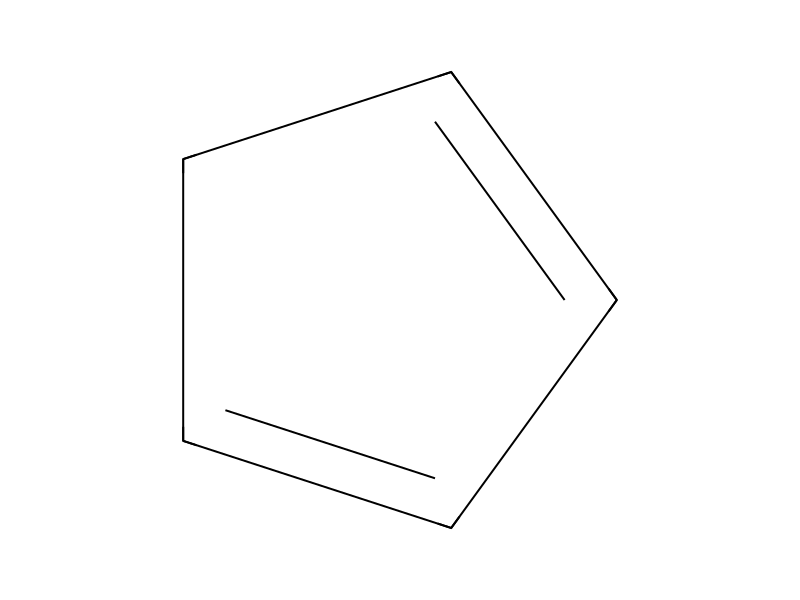
200 grams of dicyclopentadiene was put into a 500-ml flask equipped with a distillatory, and then was heated for reflux at 180° C. Then, about 100 grams of cyclopentadiene cracked at about 40° C. was dropped into 200 grams of t-butylacrylate with being cooled with ice bath. The resultant solution was stirred over a night. The resultant mixture was distilled under reduced pressure (66°-67° C./1 mmHg). As a result, there was obtained 296 grams of norbornenecarboxylic acid t-butylester. The yield was 98%.
Workup
- customequipped with a distillatory
- temperaturewas heated
- customcracked at about 40° C.
- temperaturewith being cooled with ice bath
- distillationThe resultant mixture was distilled under reduced pressure (66°-67° C./1 mmHg)
Sources & evidence
- ORD record
- ord-456f16df487b47e497940e44908f2ee4
- Source dataset
- uspto-grants-1998_06
- Patent number
- US05770346
Reaction notes
Loading…