Aniline → 4-(2-Oxazolyl)-3-chloroaniline
Reaction equation

ClC1C=C(C=CC=1[N+]([O-])=O)C(Cl)=O.N1C=CN=N1.C([O-])([O-])=O.[K+].[K+].[Cl:25][C:26]1[CH:27]=[C:28]([N+:37]([O-])=O)[CH:29]=[CH:30][C:31]=1[C:32]1[O:33][CH:34]=[CH:35][N:36]=1.NC1C=CC=CC=1.[O-]S(S([O-])=O)=O.[Na+].[Na+]>S1(CCCC1)(=O)=O.C1COCC1.O>[O:33]1[CH:34]=[CH:35][N:36]=[C:32]1[C:31]1[CH:30]=[CH:29][C:28]([NH2:37])=[CH:27][C:26]=1[Cl:25]Participants
9
Reactant 6




Product 1

Reagents, catalysts & solvents 2

Procedure
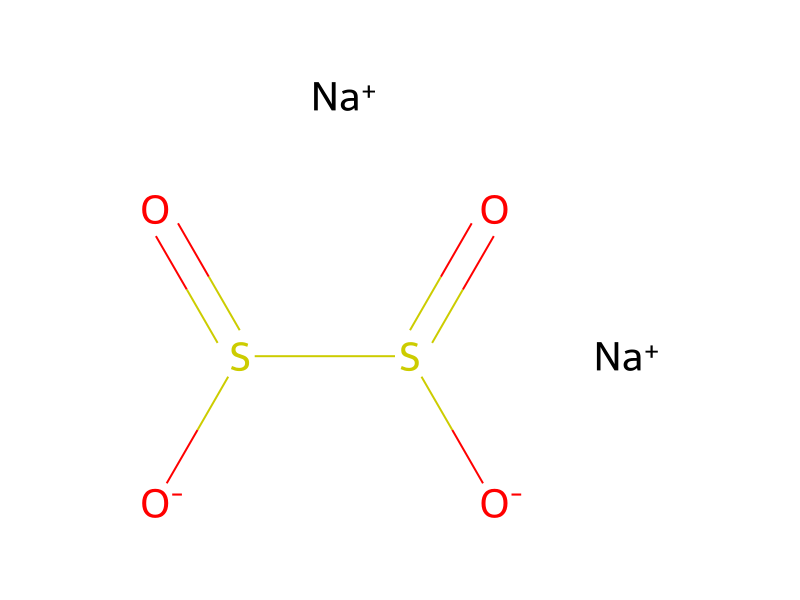
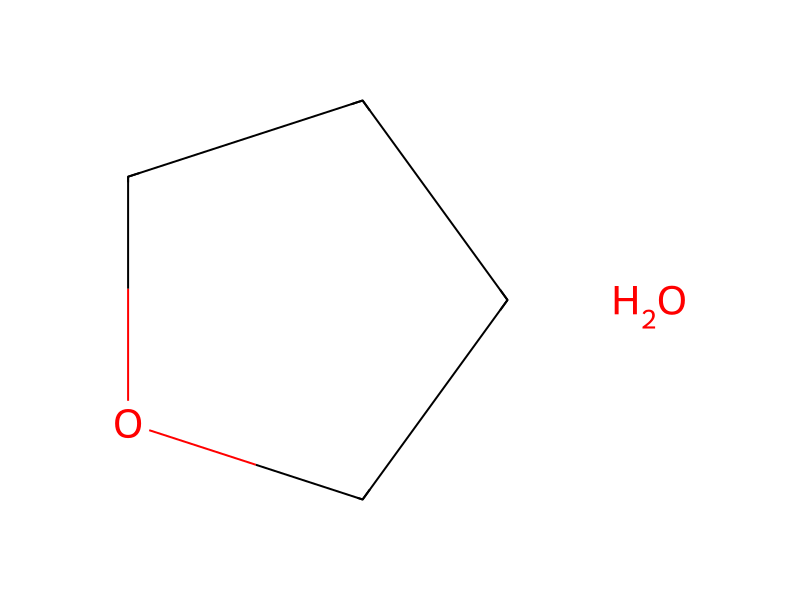
Following the procedure described in part E of Example 1 (R), (S)-α-[[2-[((1,1-dimethylethyl)dimethylsilyl)oxy]-2-[4-hydroxy-3-[(methylsulfonyl)amino]phenyl]ethyl]amino]-4-methoxybenzeneacetic acid was condensed with 3-chloro-4-(2-oxazolyl)aniline to generate the title compound. The 4-(2-oxazolyl)-3-chloroaniline was prepared by treating commercial 3-chloro-4-nitrobenzoyl chloride sequentially with 1,2,3-triazole at 140° C. in sulfolane containing K2CO3 to generate 3-chloro-4-(2-oxazolyl)nitrobenzene which was reduced to the desired aniline with Na2S2O4 in THF/H2O at 90° C.
Sources & evidence
- ORD record
- ord-5c9ce98018814d338ecb19d751d84dfc
- Source dataset
- uspto-grants-1998_06
- Patent number
- US05770615
Reaction notes
Loading…