Acetic Acid → HCID 4330068, compound
Reaction equation

Cl.[Br:2][C:3]1[CH:8]=[CH:7][C:6]([NH:9][NH2:10])=[CH:5][CH:4]=1.[C:11]([O:16][CH2:17][CH3:18])(=[O:15])[C:12]([CH3:14])=O.C(O)(=O)C>C(O)C>[Br:2][C:3]1[CH:8]=[CH:7][C:6]([NH:9][N:10]=[C:12]([CH3:14])[C:11]([O:16][CH2:17][CH3:18])=[O:15])=[CH:5][CH:4]=1Participants
5
Reactant 3

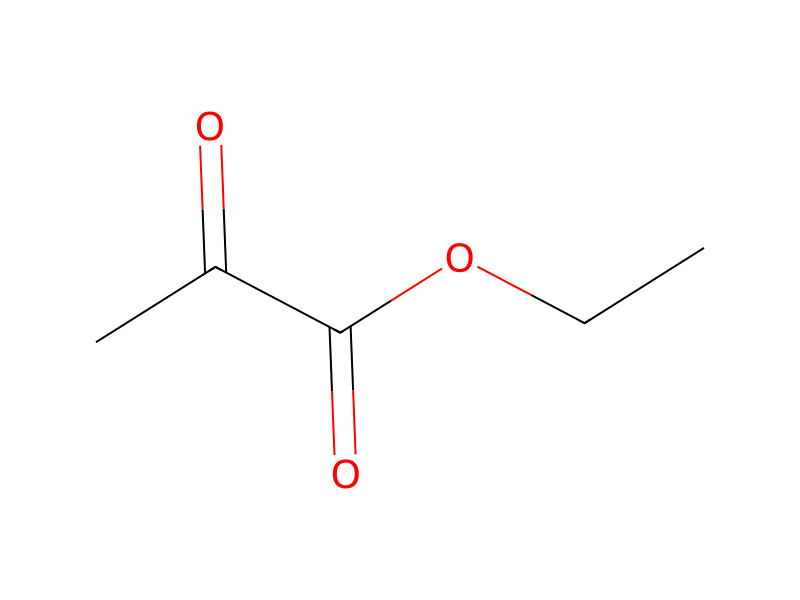

Product 1

Reagents, catalysts & solvents 1

Procedure
4-Bromophenylhydrazine hydrochloride (15 g), ethyl pyruvate (11 ml) and acetic acid (1 ml) were dissolved in ethanol and heated to reflux for 2 hours, then cooled to room temperature, resulting in precipitation of a yellow solid, which was filtered off and dried in vacuo to give the ethyl pyruvate 4-bromophenylhydrazone (16.3 g, 71%), mp 153-154°; NMR δ (CD3SOCD3) 1.23 (t, 3H), 2.03 (s, 3H), 4.18 (q, 2H), 7.19 (d, 2H), 7.40 (d, 2H), 9.88 (brs, 1H); M/z (−) 285 (M+), 283, 171, 169, 113.
Workup
- temperatureheated
- temperatureto reflux for 2 hours
- customresulting in precipitation of a yellow solid, which
- filtrationwas filtered off
- customdried in vacuo
Sources & evidence
- ORD record
- ord-b1895f9169974ade8fe8cd4d0fdd576f
- Source dataset
- uspto-grants-2005_10
- Patent number
- US06953809B2
Reaction notes
Loading…