Methanol → Thebaine
Reaction equation

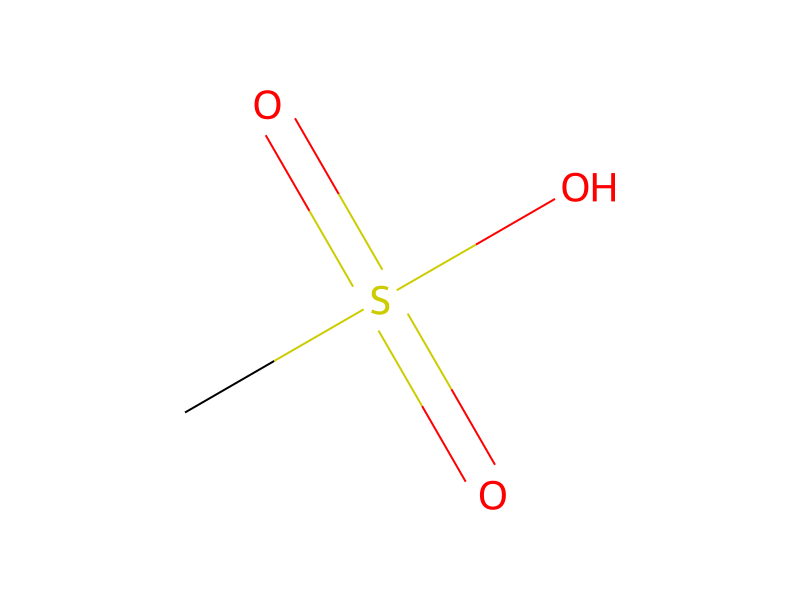
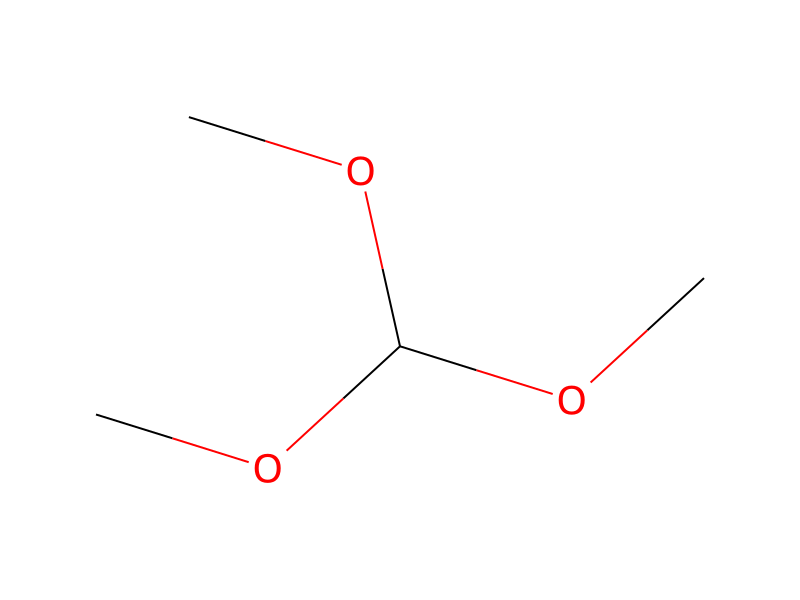
[CH3:1][N:2]1[C@@H:19]2[CH2:20][C:7]3[CH:8]=[CH:9][C:10]([O:21][CH3:22])=[C:11]4[O:12][C@H:13]5[C:14]([CH:16]=[CH:17][C@@H:18]2[C@:5]5([C:6]=34)[CH2:4][CH2:3]1)=[O:15].CO.[CH:25](OC)(OC)OC.CS(O)(=O)=O>C1(C)C=CC=CC=1>[CH3:1][N:2]1[C@@H:19]2[CH2:20][C:7]3[CH:8]=[CH:9][C:10]([O:21][CH3:22])=[C:11]4[O:12][C@H:13]5[C:14]([O:15][CH3:25])=[CH:16][CH:17]=[C:18]2[C@:5]5([C:6]=34)[CH2:4][CH2:3]1Participants
Reactant 4


Product 1

Reagents, catalysts & solvents 1

Procedure
To a dried 4-neck 5-liter round bottom flask equipped with a mechanical stirrer, heating mantle, pressure equalizing dropping funnel, and reflux condenser under a nitrogen atmosphere were added 100 g of codeinone, 500 mL of methanol and 73.5 mL of trimethyl orthoformate. The resulting mixture was allowed to stir at room temperature. Methanesulfonic acid (42 g) was then added to the flask at a temperature of about 25° C. over a time period of about 10 minutes. After addition of the methanesulfonic acid, 500 mL of toluene was added and the resulting mixture was allowed to reflux for about 4 to 6 h. at a temperature of about 62° C. to about 64° C. until HPLC analysis using a reverse phase C-18 silica gel column eluted with a gradient of 25:75 acetonitrile:water to 50:50 acetonitrile:water showed that at least 93% of the codeinone was consumed. The reflux condenser was replaced with a distillation apparatus, the mixture was heated at a temperature of from about 91° C. to about 93° C. and methanol was allowed to distill from the reaction mixture until substantially all the methanol was removed. At various intervals an aliquot of the reaction mixture was removed, quenched in a phosphate buffer solution having a pH value of about 8, and analyzed using HPLC. The reaction mixture was monitored hourly until HPLC analysis showed that the peak corresponding to thebaine was at least about 95 percent of the total peak area (about 3 to 4 h). Dimethylformamide (22.4 mL) was then added to the reaction mixture and the reaction mixture was allowed to cool to room temperature. The reaction mixture was then quenched with an equal volume of deionized water and allowed to stir for about 30 minutes. The aqueous and organic phases were allowed to separate. The aqueous phase was then cooled to a temperature of from about 0° to about 5° C. and allowed to stir vigorously, and 25% aqueous sodium hydroxide was added until the pH of the resulting slurry was about 12. The resulting slurry was stirred at about 0° C. for at least about 1 h and then filtered. The resulting solid was washed with deionized water until the pH of the filtrate was neutral (3×50 mL) to provide a wet cake of thebaine (150 g). The wet cake of thebaine was dried under reduced pressure (40 mm Hg) at a temperature of from about 45° to about 50° C. for about 16 h to provide dry thebaine (85 g).
Workup
- customTo a dried 4-neck 5-liter round bottom flask equipped with a mechanical stirrer
- temperatureheating mantle, pressure
- temperaturereflux condenser under a nitrogen atmosphere
- additionwas added
- temperatureto reflux for about 4 to 6 h. at a temperature of about 62° C. to about 64° C. until HPLC analysis
- washsilica gel column eluted with a gradient of 25:75 acetonitrile
- customwas consumed
- temperaturethe mixture was heated at a temperature of from about 91° C. to about 93° C. and methanol
- distillationto distill from the reaction mixture until substantially all the methanol
- customwas removed
- customAt various intervals an aliquot of the reaction mixture was removed
- customquenched in a phosphate buffer solution
- customwas at least about 95 percent of the total peak area (about 3 to 4 h)
- additionDimethylformamide (22.4 mL) was then added to the reaction mixture
- temperatureto cool to room temperature
- customThe reaction mixture was then quenched with an equal volume of deionized water
- stirringto stir for about 30 minutes
- customto separate
- temperatureThe aqueous phase was then cooled to a temperature of from about 0° to about 5° C.
- stirringto stir vigorously
- addition25% aqueous sodium hydroxide was added until the pH of the resulting slurry
- stirringThe resulting slurry was stirred at about 0° C. for at least about 1 h
- filtrationfiltered
- washThe resulting solid was washed with deionized water until the pH of the filtrate
Sources & evidence
- ORD record
- ord-4b96435221e44a548d601311c0e16335
- Source dataset
- uspto-grants-2005_10
- Patent number
- US06958398B1
Reaction notes
Loading…