Pyridine → HCID 135682056, compound
Reaction equation

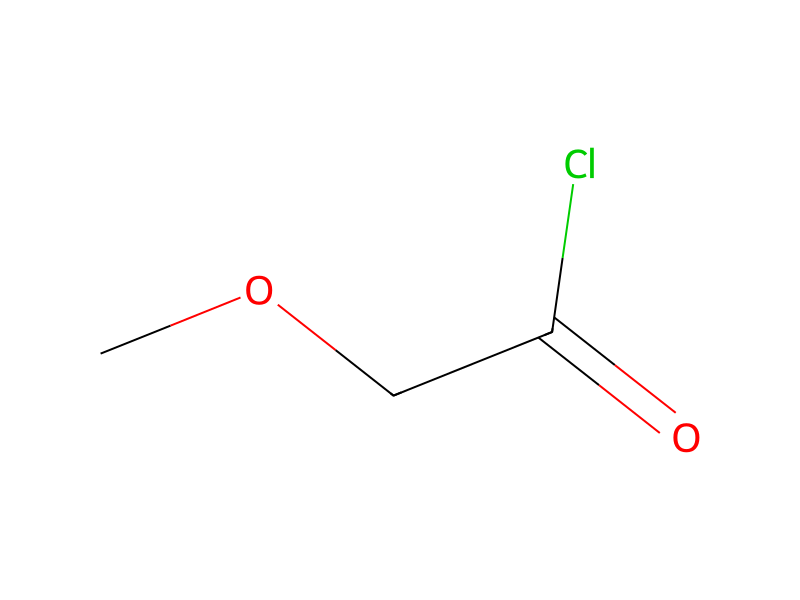
[NH2:1][C:2]1[N:7]=[C:6]([C:8]2[C:13]([Cl:14])=[CH:12][CH:11]=[CH:10][N:9]=2)[CH:5]=[CH:4][C:3]=1[C:15]([NH2:17])=[O:16].N1C=CC=CC=1.[CH3:24][O:25][CH2:26][C:27](Cl)=O.[OH-].[Na+]>C1COCC1>[Cl:14][C:13]1[C:8]([C:6]2[CH:5]=[CH:4][C:3]3[C:15](=[O:16])[NH:17][C:27]([CH2:26][O:25][CH3:24])=[N:1][C:2]=3[N:7]=2)=[N:9][CH:10]=[CH:11][CH:12]=1Participants
6
Reactant 4



Product 1

Reagents, catalysts & solvents 1

Procedure
Dissolve 6-amino-3′-chloro-[2,2′]bipyridinyl-5-carboxylic acid amide (0.5 g, 2.02 mmol) in anhydrous THF (10 mL) under N2 atmosphere. Add drop wise pyridine (0.36 g, 4.04 mmol) and methoxyacetyl chloride (0.48 g, 4.04 mmol) to the reaction mixture and stir at room temperature overnight. Add 10% aq. NaOH (10 mL) and reflux for 4 hours. Concentrate in vacuum, adjust the pH to 6.0 using AcOH, collect the solid by filtration and dry under vacuum to give 7-(3-chloro-pyridin-2-yl)-2-methoxymethyl-3H-pyrido[2,3-d]pyrimidin-4-one as a white solid.
Workup
- temperaturereflux for 4 hours
- concentrationConcentrate in vacuum
- customcollect the solid
- filtrationby filtration
- customdry under vacuum
Sources & evidence
- ORD record
- ord-17f623db6c5d423bb487e4a0075d1f60
- Source dataset
- uspto-grants-2007_12
- Patent number
- US07304059B2
Reaction notes
Loading…