Dichlorodimethylsilane → 2,6-Dichloropurine
Reaction equation

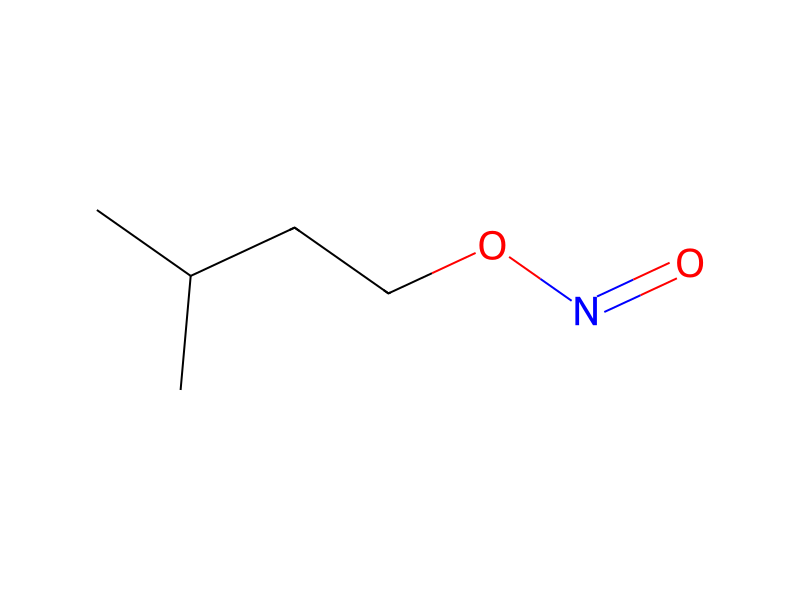
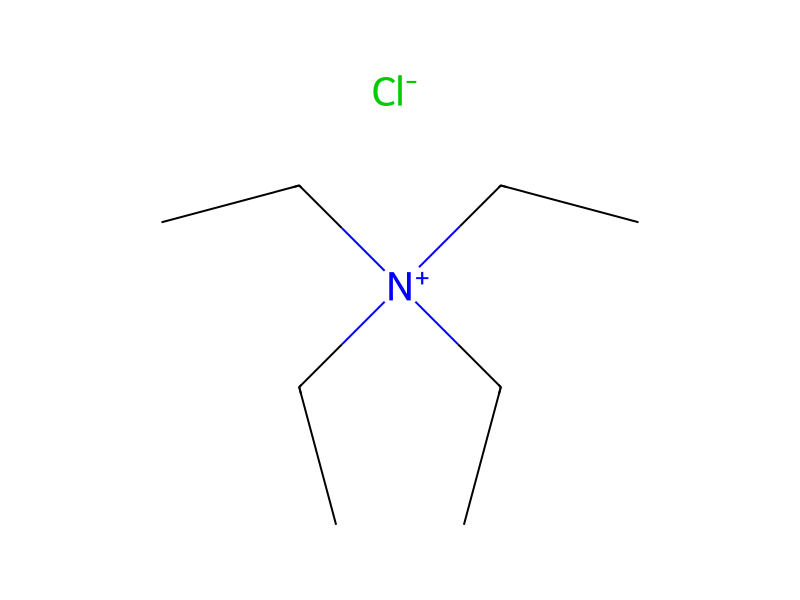
C([N:4]1[CH:12]=[N:11][C:10]2[C:5]1=[N:6][C:7](N)=[N:8][C:9]=2[Cl:13])(=O)C.[Cl:15][Si](Cl)(C)C.N(OCCC(C)C)=O>[Cl-].C([N+](CC)(CC)CC)C.CCCCCCC>[Cl:15][C:7]1[N:6]=[C:5]2[C:10]([NH:11][CH:12]=[N:4]2)=[C:9]([Cl:13])[N:8]=1Participants
6
Reactant 3


Product 1

Reagents, catalysts & solvents 2

Conditions
- Temperature
- 55 °C
Procedure
9-Acetyl-2-amino-6-chloropurine (0.50 g, 2.36 mmol), dichlorodimethylsilane (1.01 g, 7.80 mmol), tetraethylammonium chloride (0.025 g, 0.15 mmol) and isoamyl nitrite (0.42 g, 3.54 mmol) were added to heptane (4 ml), and the mixture was heated to 50-60° C. and stirred for 14 hr. After the completion of the reaction, the mixture was filtrated. The obtained crystals were diluted with water (4.0 ml), and the mixture was adjusted to pH 4-5 with a 2M aqueous sodium hydroxide solution. After aging under ice-cooling for 1 hr, the mixture was filtrated, and the obtained crystals were dried under reduced pressure at 80° C. to give a white powder (0.31 g, yield 73.8%) of 2,6-dichloropurine.
Workup
- customAfter the completion of the reaction
- filtrationthe mixture was filtrated
- additionThe obtained crystals were diluted with water (4.0 ml)
- temperaturecooling for 1 hr
- filtrationthe mixture was filtrated
- customthe obtained crystals were dried under reduced pressure at 80° C.
Sources & evidence
- ORD record
- ord-a3c9ed2c2092469fbfc92b52a7f6f57a
- Source dataset
- uspto-grants-2007_12
- Patent number
- US07307167B2
Reaction notes
Loading…